Marrakech
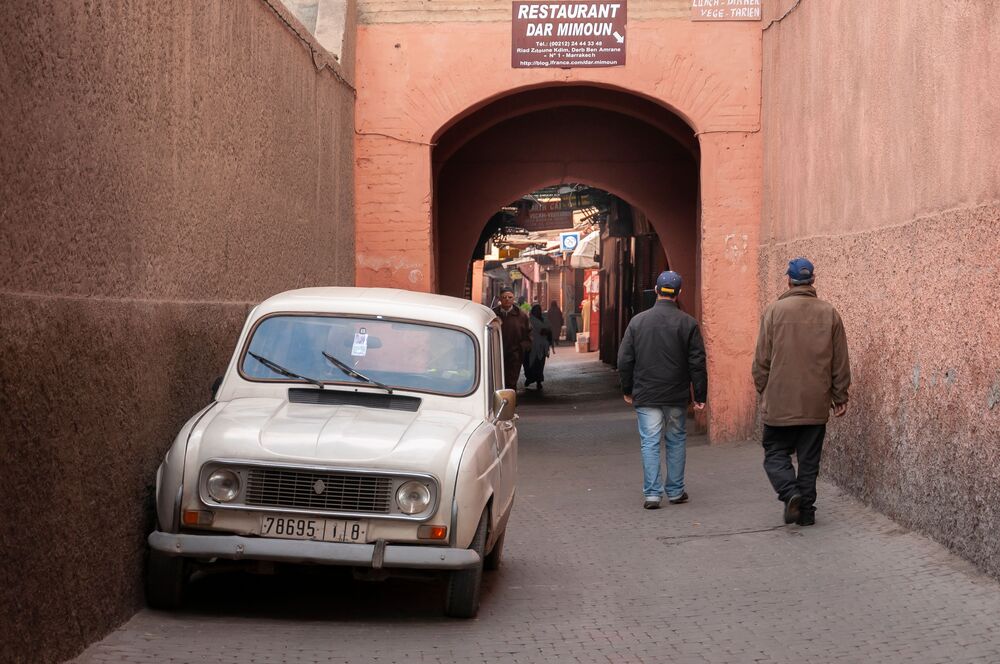
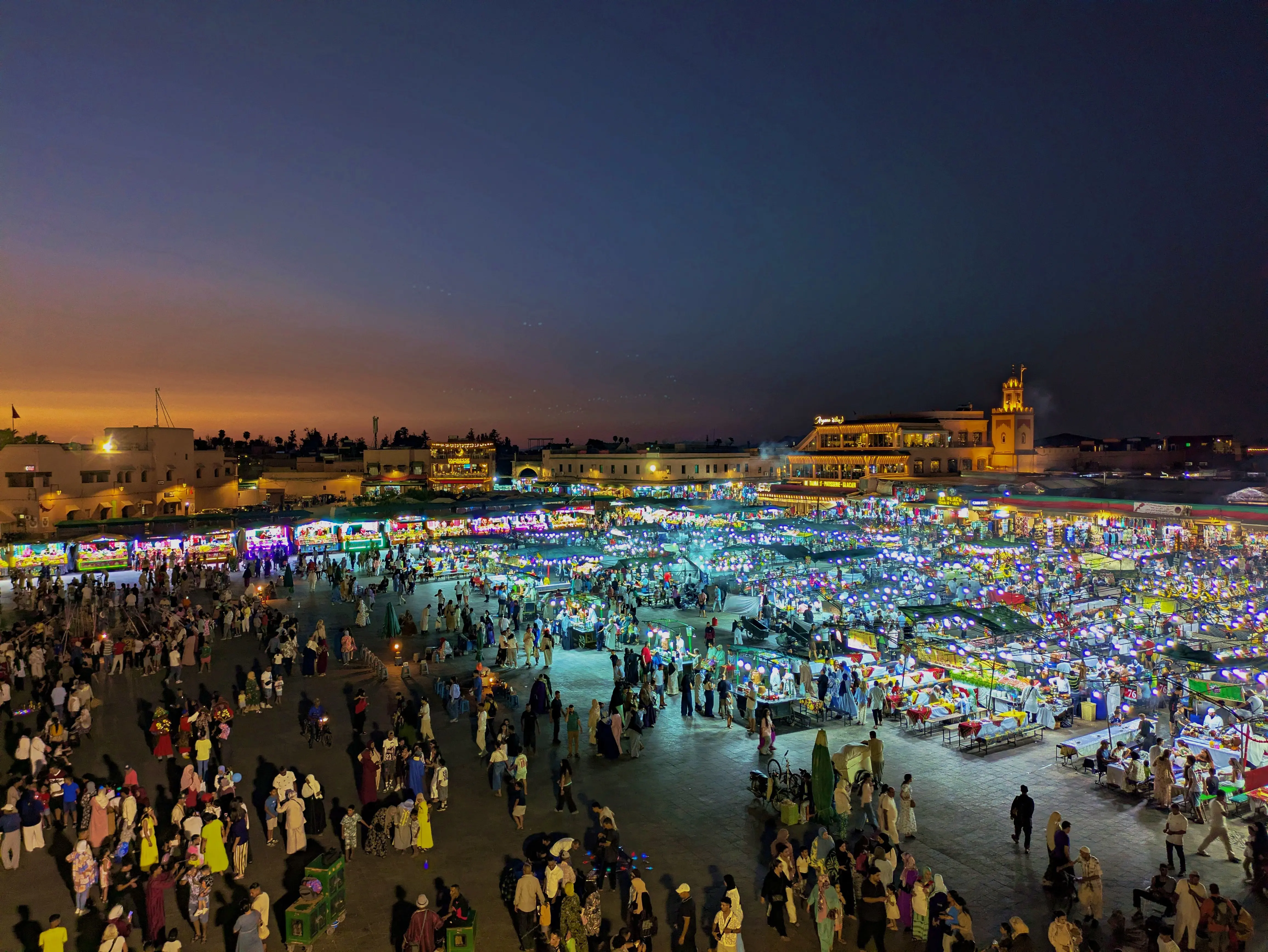
The buzzing heart of Morocco — souks, palaces, and the famous Jemaa el-Fnaa square.
Practical, first-hand guides to the Sahara, the Atlas Mountains, and the medinas — written from Marrakech, not assembled from someone else's listicle.

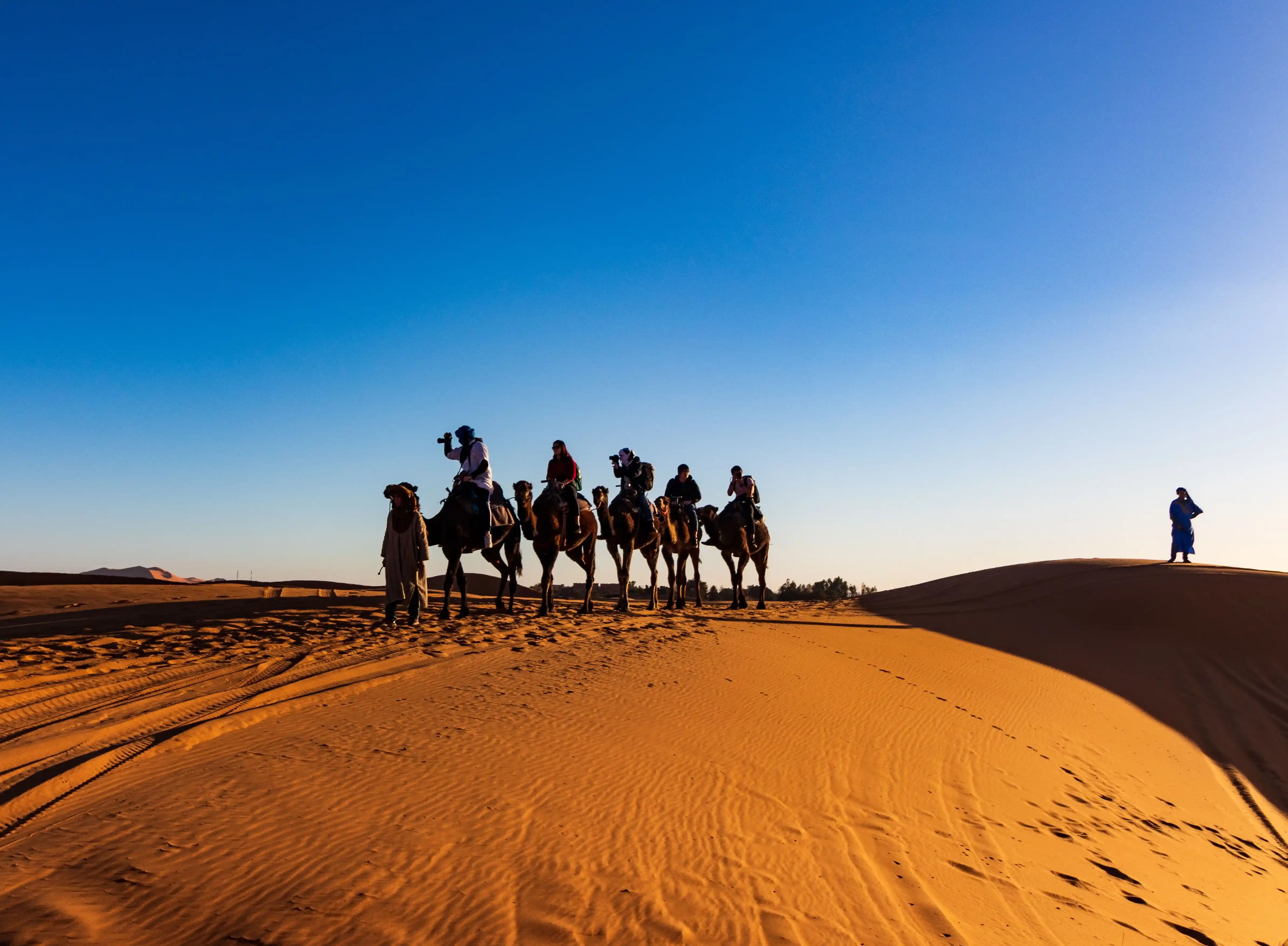
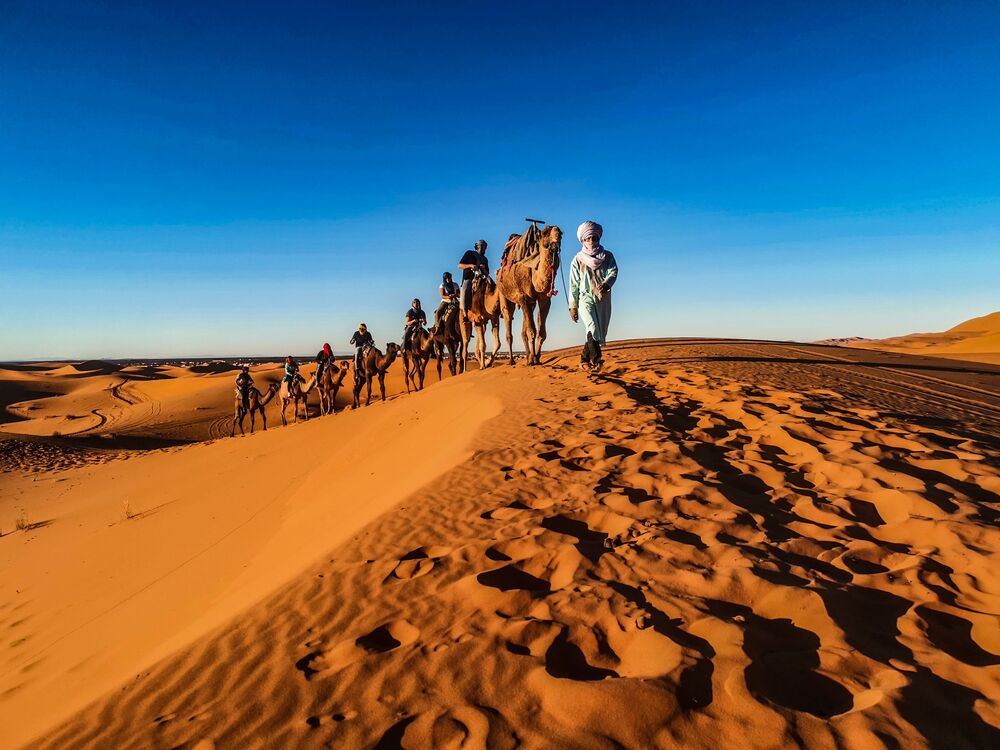
Camp under a thousand stars in Merzouga, ride out at sunrise, and see why the desert is the trip people remember most.

From flights to itineraries to where to stay — we've mapped out every step, and we're happy to help with the rest.
New to Morocco? Here's the short version before you dive into the guides.
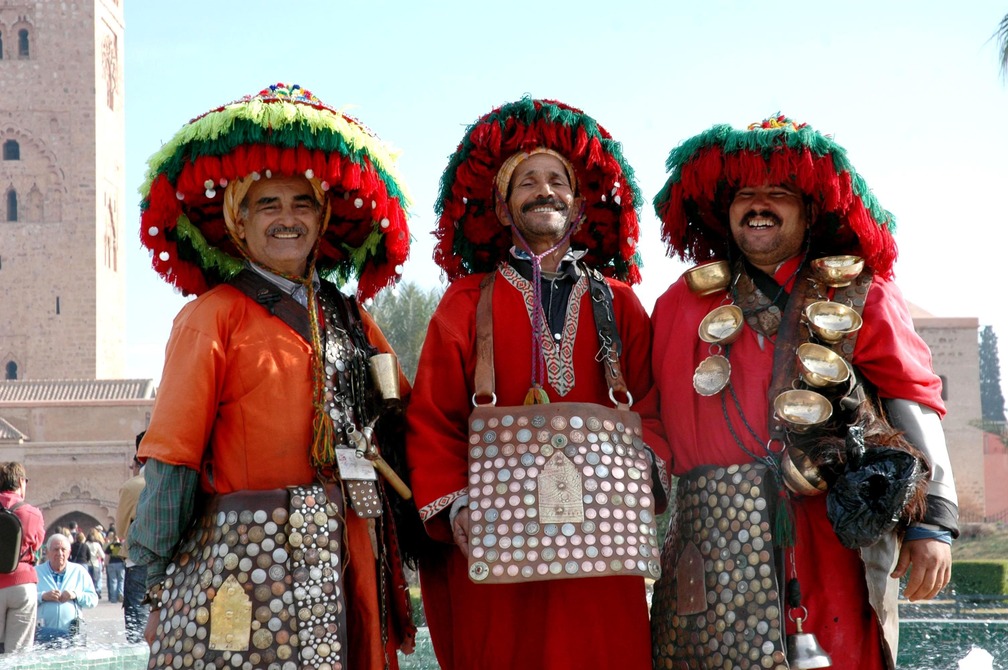
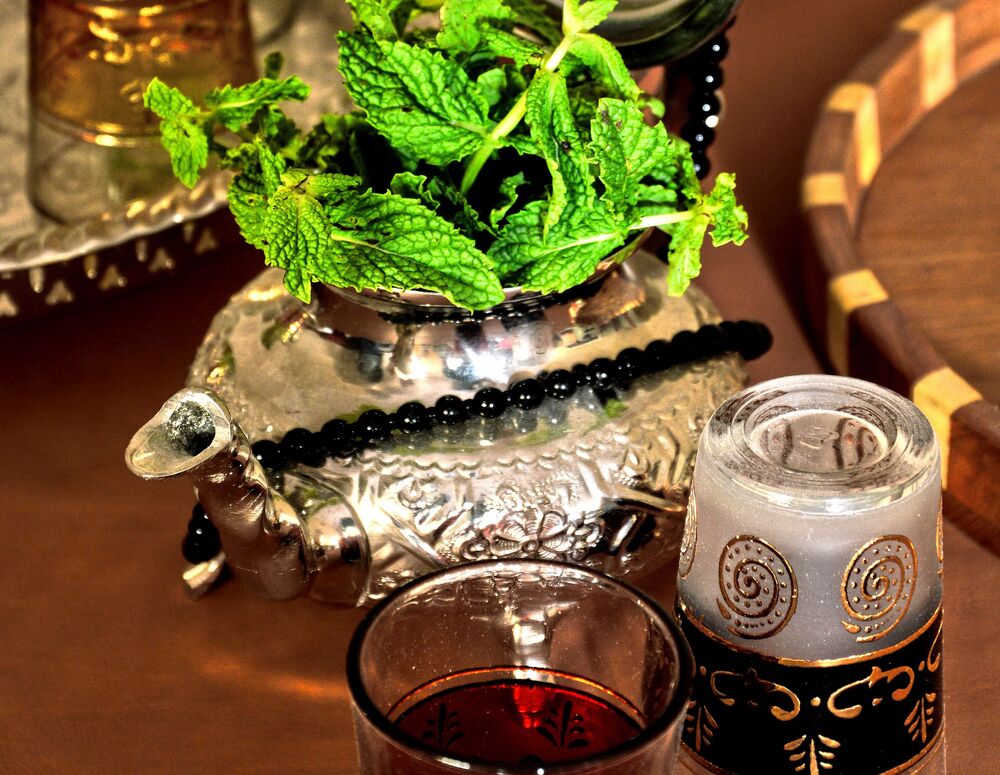
Moroccans are famous for being warm and welcoming. Don't be surprised if a shopkeeper invites you in for mint tea before you've bought a single thing — that's just how it works here.
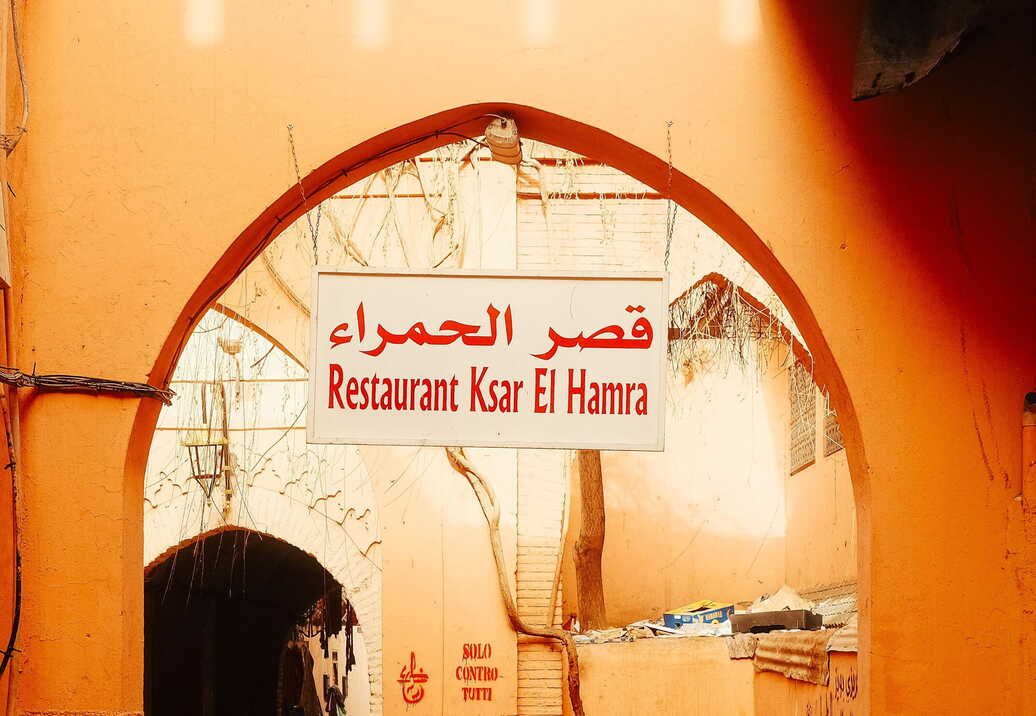
Arabic and Berber (Amazigh) are the official languages, and French is widely spoken too. In tourist areas you'll get by just fine with English, but a friendly "salam" or "shukran" (thank you) goes a long way.
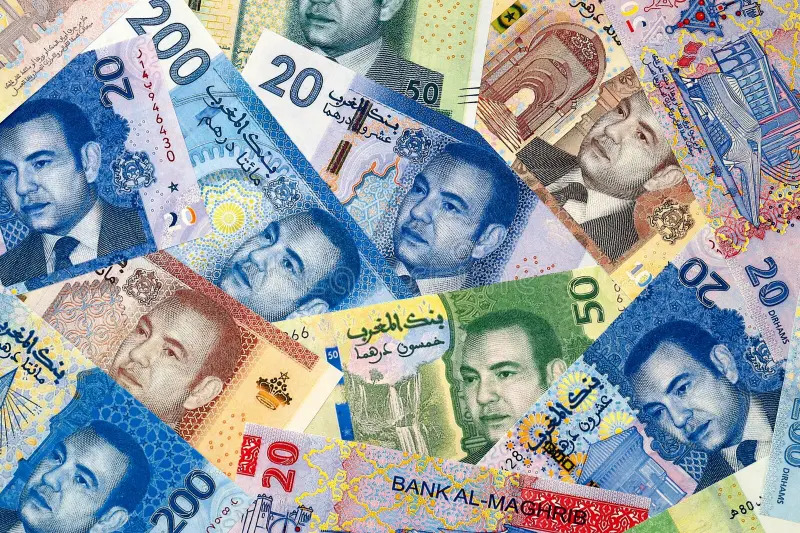
The Moroccan Dirham (MAD) is the local currency. You can't buy it before you arrive, so plan to grab cash at the airport or a local ATM. Cards work in bigger hotels and shops, but cash is still king in the souks.
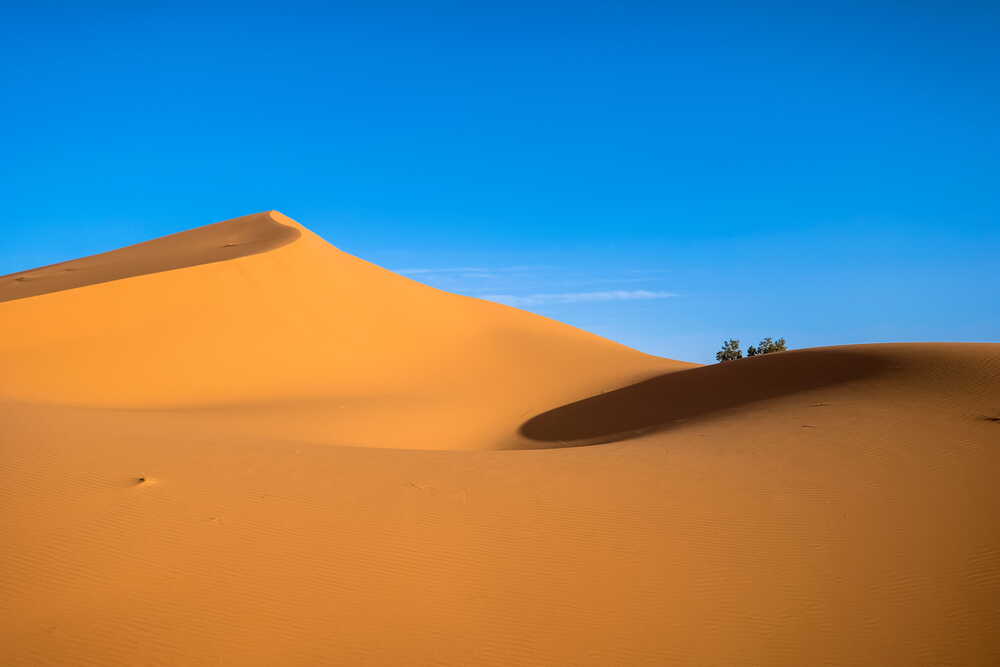
Morocco packs a lot into one country: snowy peaks in the Atlas Mountains, golden dunes in the Sahara, and beaches along two coastlines. You can genuinely ski and see camels in the same week.
From red-walled cities to blue villages and golden dunes — here's where most travelers start.
The buzzing heart of Morocco — souks, palaces, and the famous Jemaa el-Fnaa square.
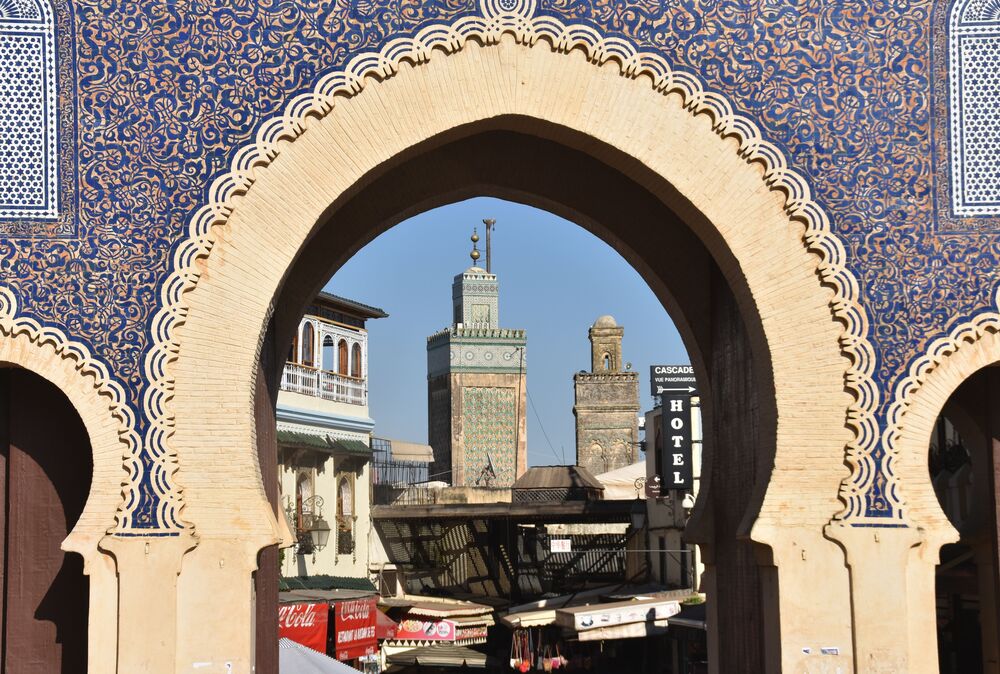
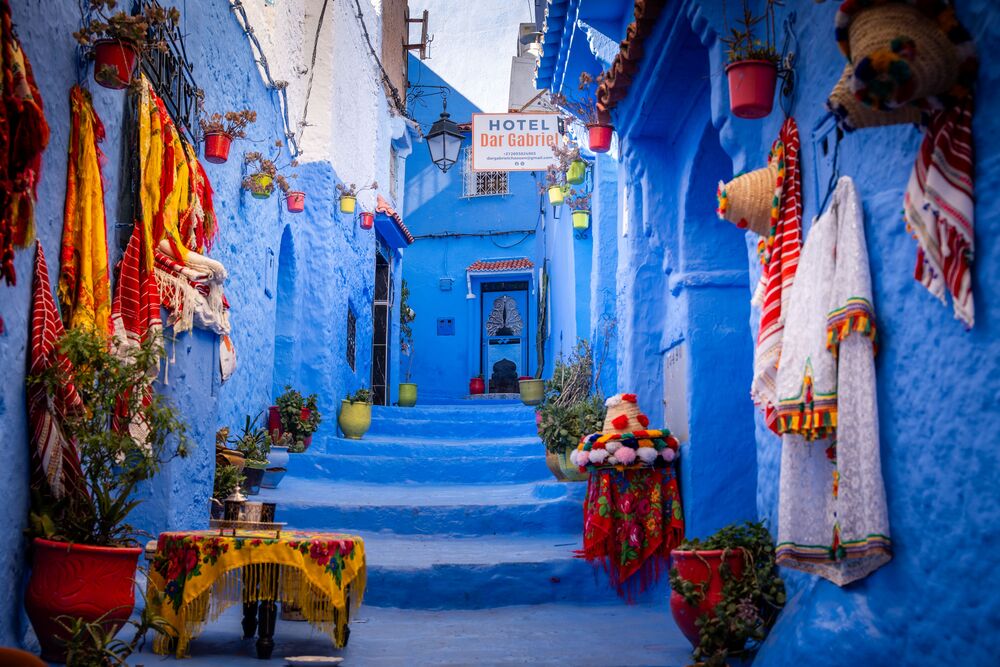
The famous blue city tucked into the Rif Mountains — Morocco's most photographed streets.
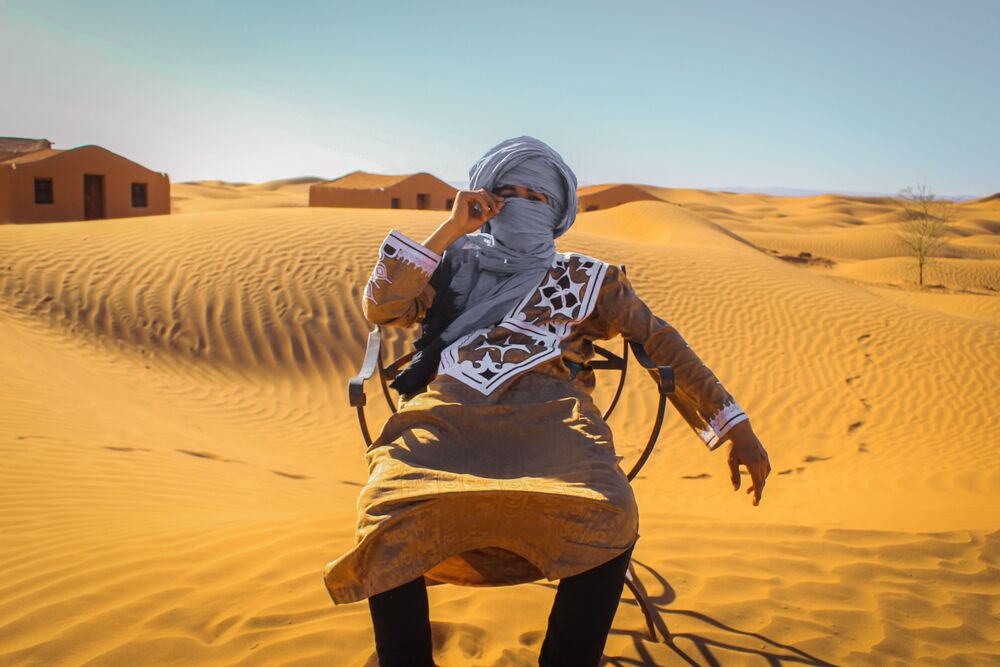
Your gateway to the Sahara — camel treks, desert camps, and endless golden dunes.
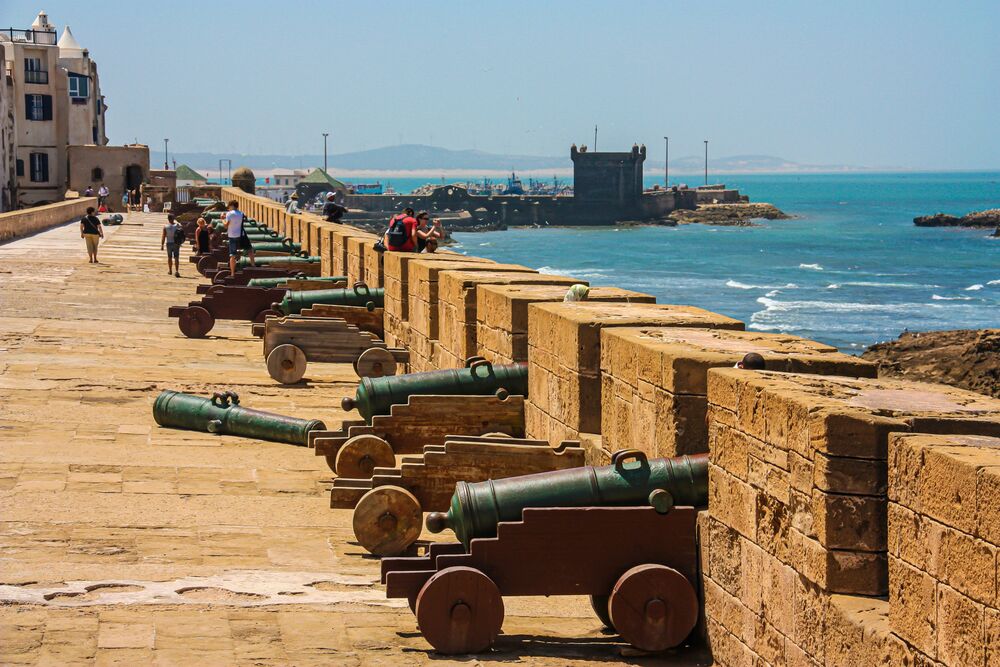
A laid-back coastal town with sea breezes, fresh seafood, and a historic port.
Flights
Compare flights to Marrakech, Casablanca, Fez, and beyond in one search. Our flight tool pulls real prices from airlines so you can find the best deal and book with confidence.
Search Flights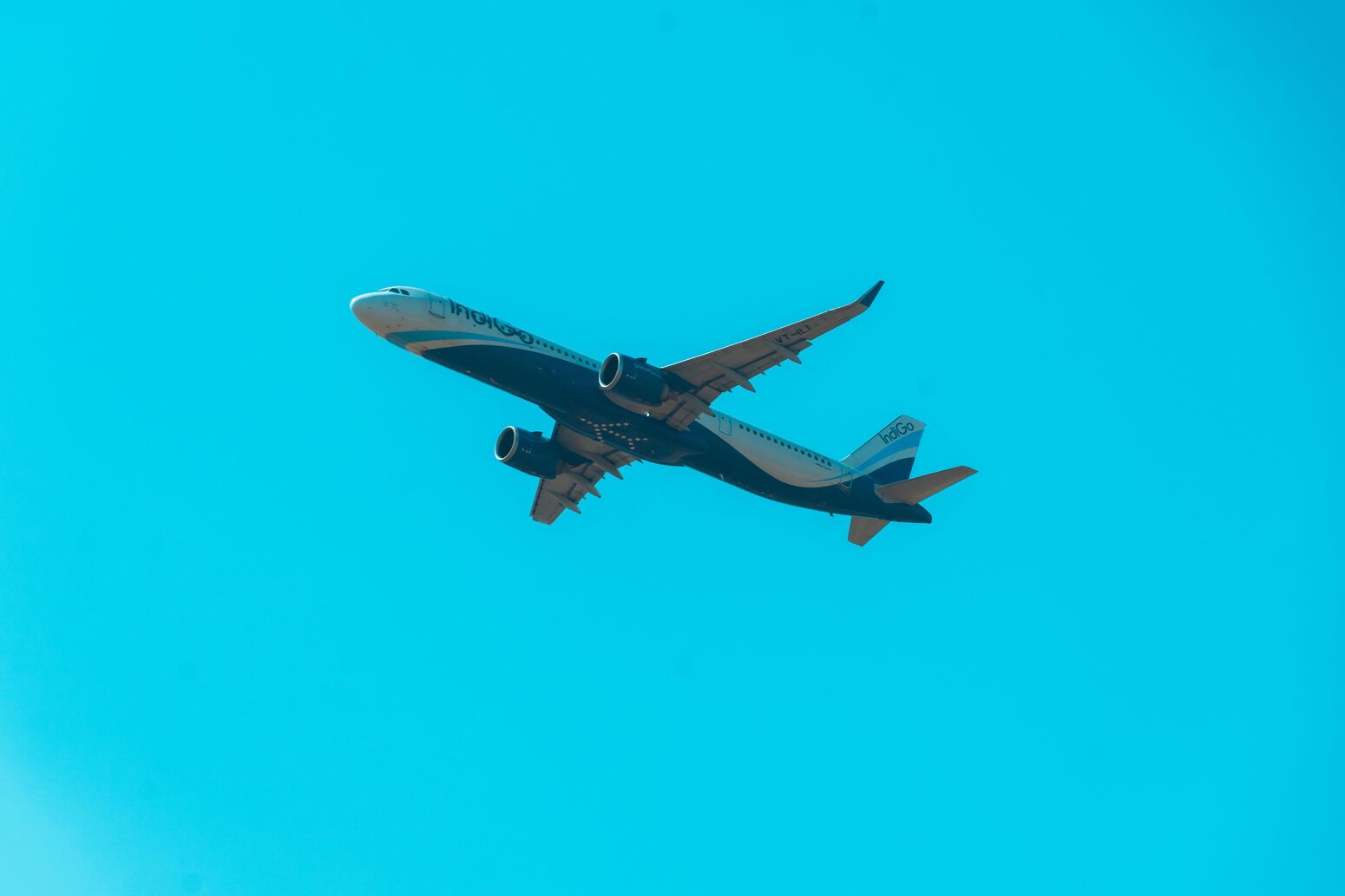
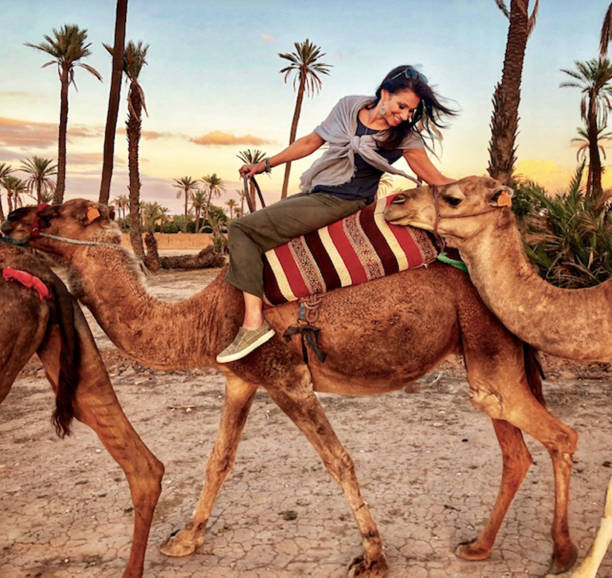
A taste of the experiences that make a Morocco trip unforgettable.
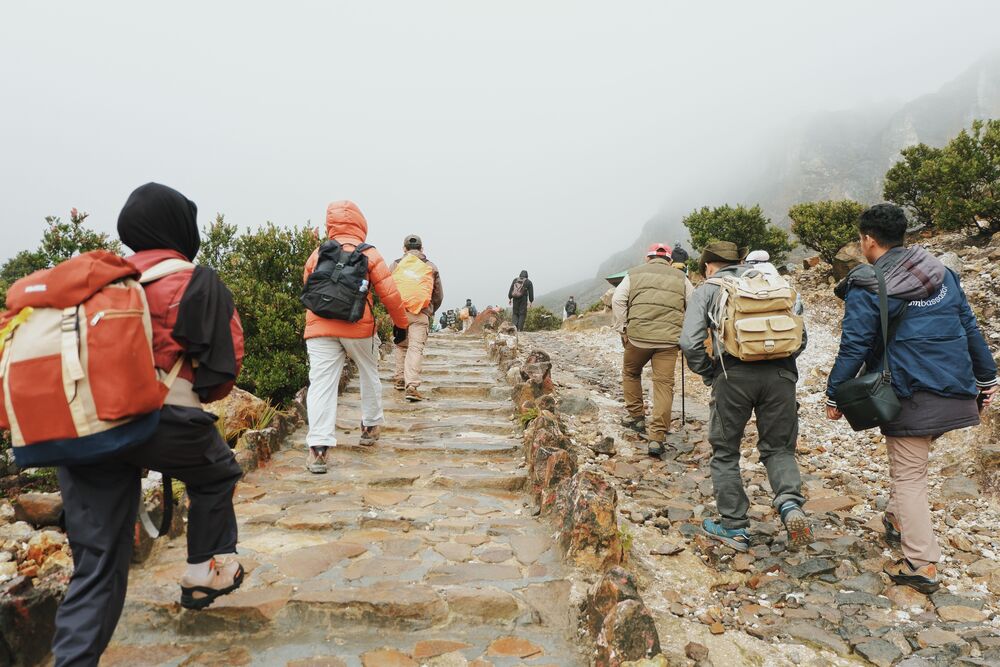
Trek through the Atlas Mountains, including Toubkal, North Africa's highest peak.
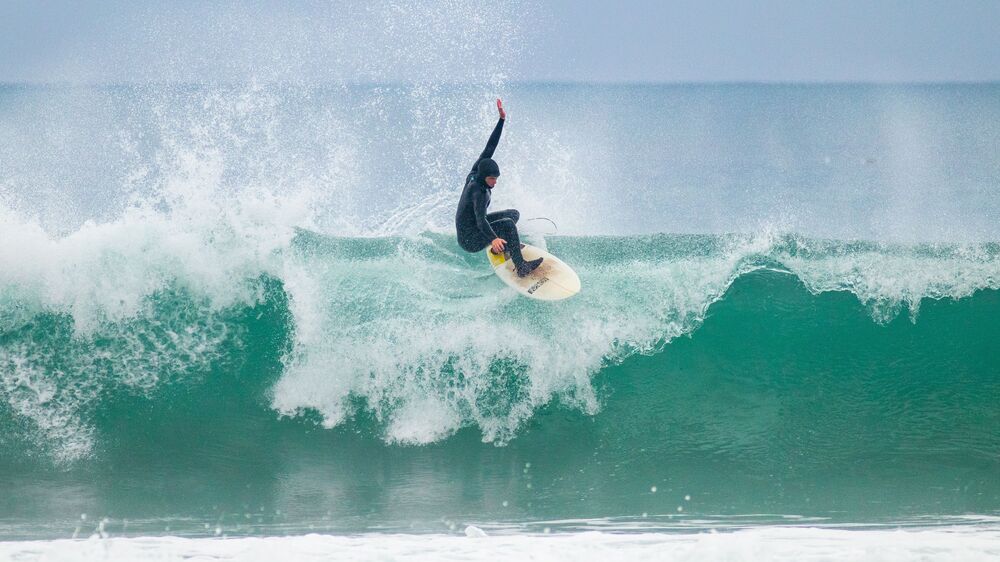
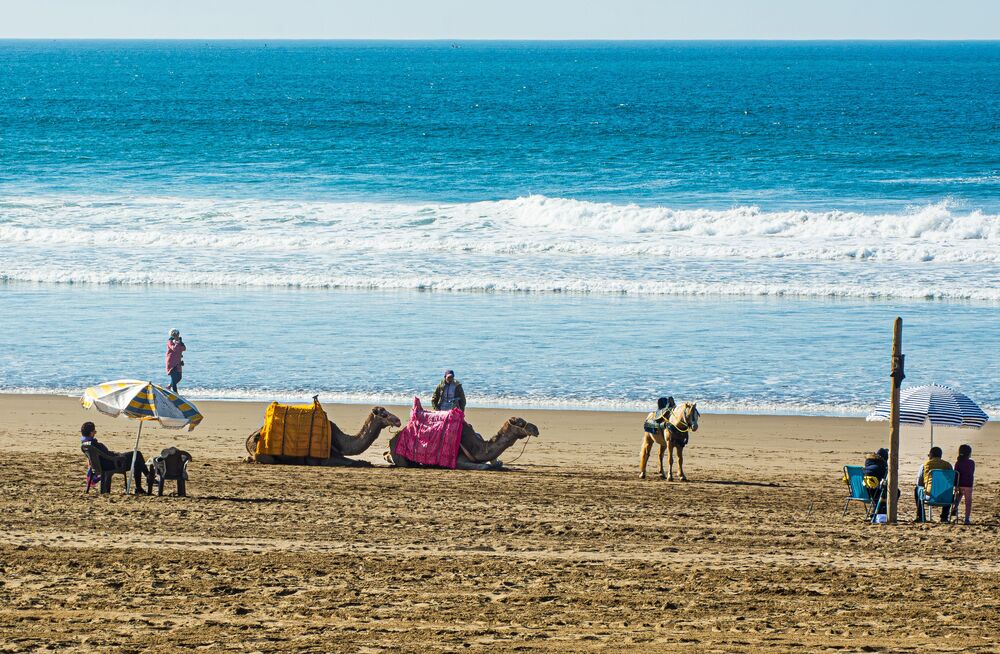
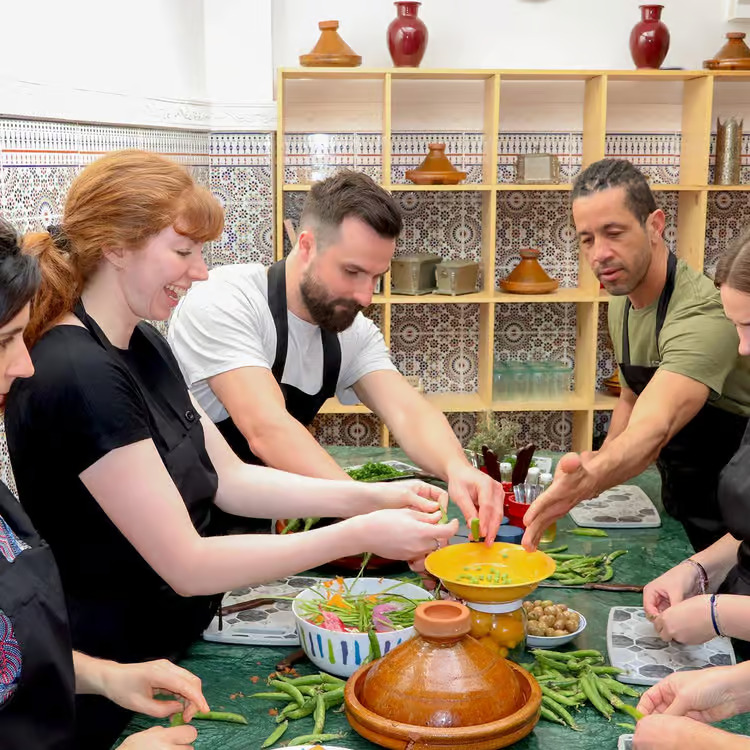
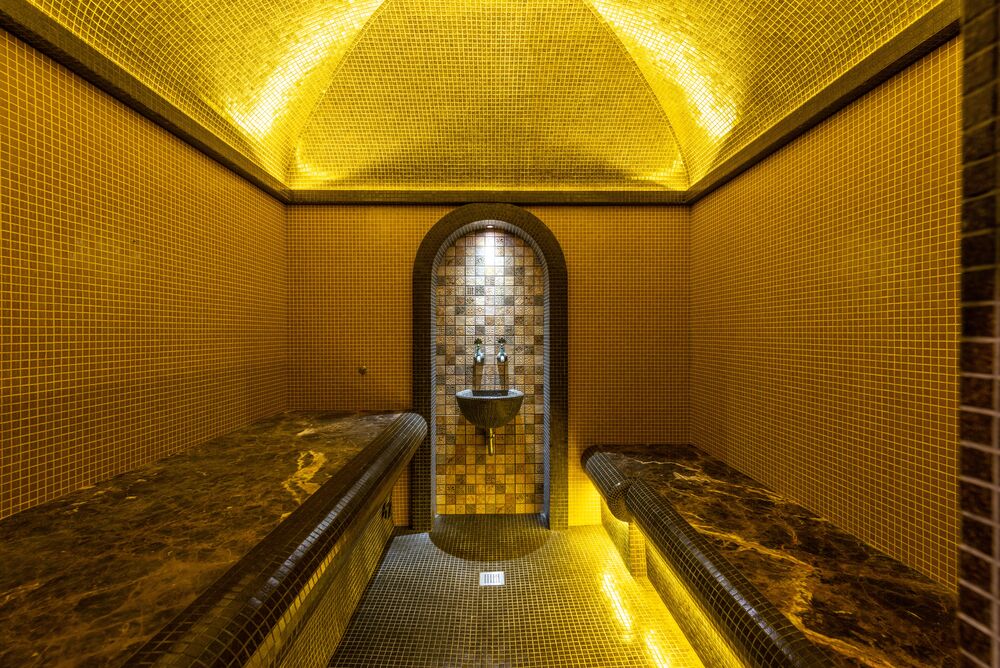
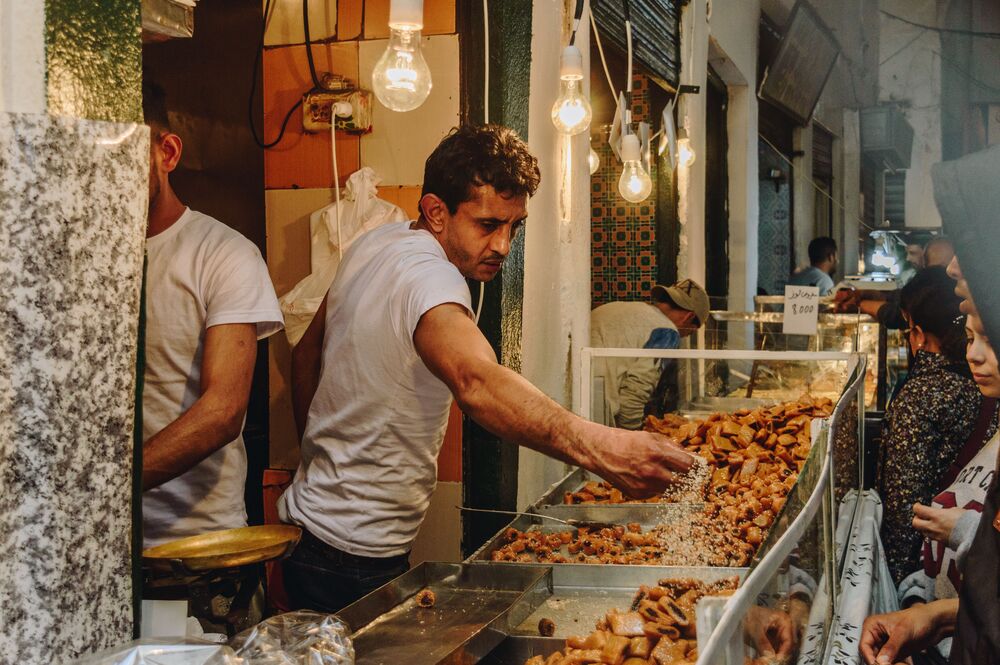
A cuisine worth traveling for on its own — here's where to start.
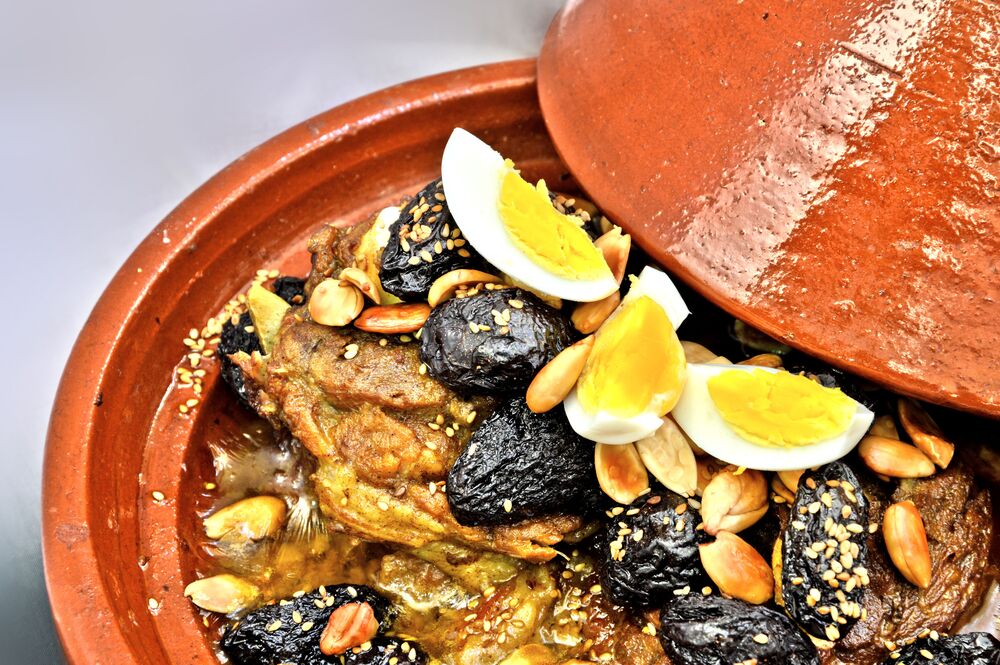
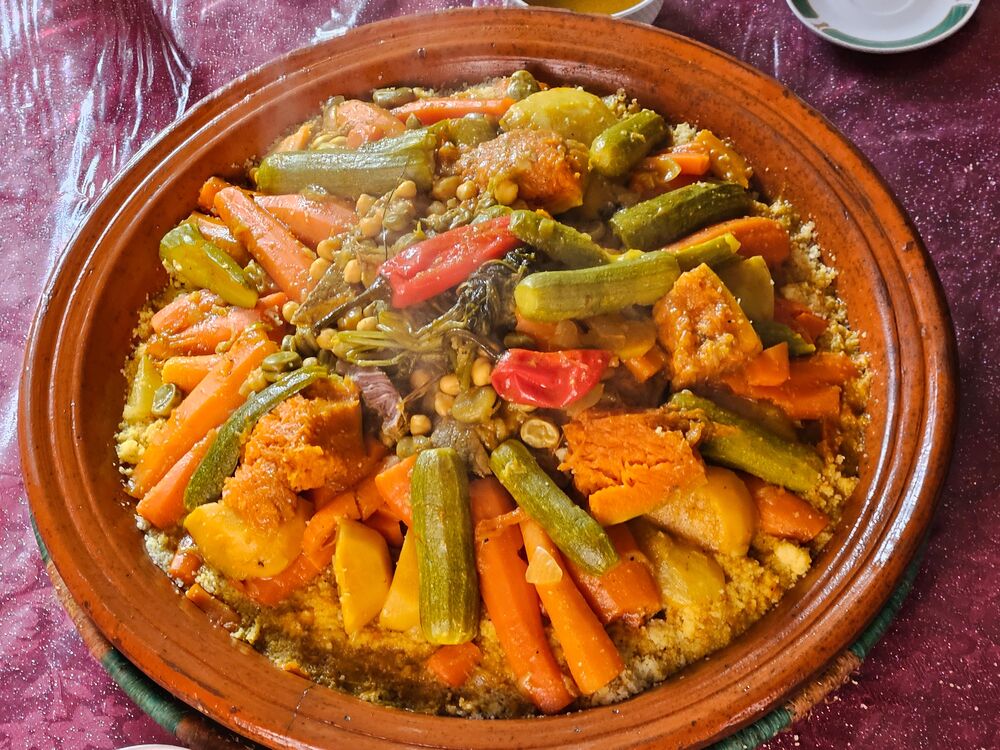
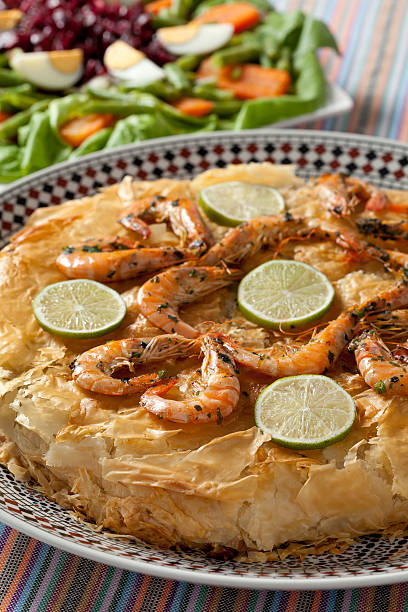
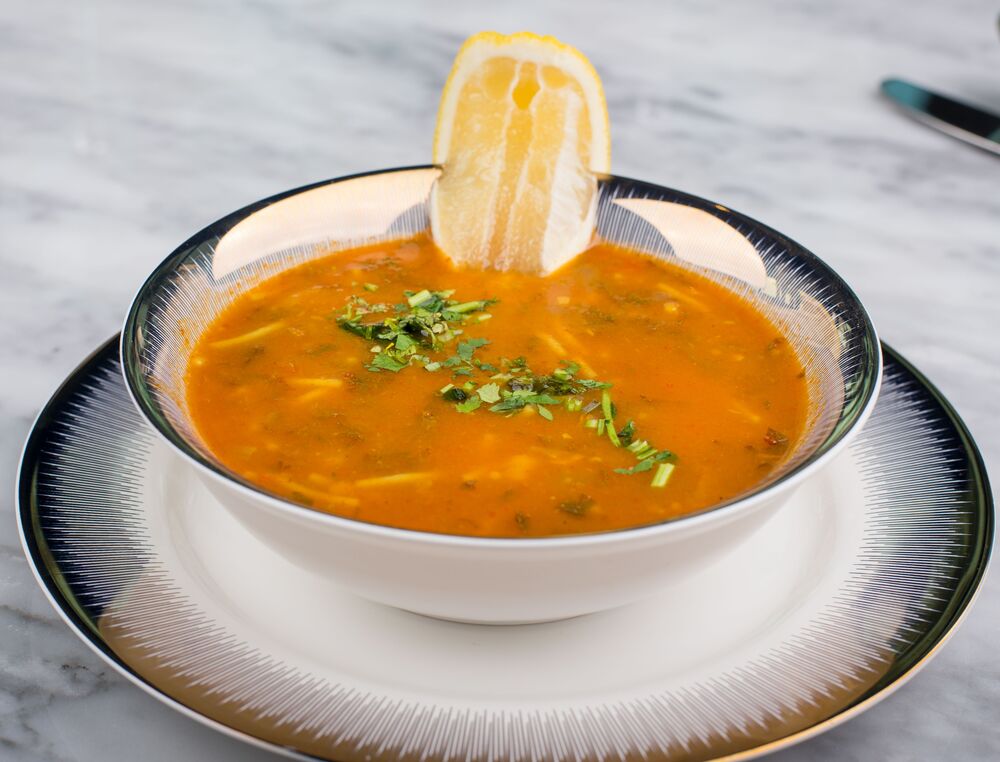
Ready-made routes to help you decide how long to stay and where to go.


Imperial cities plus a proper Sahara detour, running between Marrakech and Tangier.


Explore hotels and places to stay across Morocco on the interactive map below.
Itinerary Planner
Tell our AI planner how many days you have, your budget, and what you love — deserts, mountains, cities, or all three — and get a ready-made Morocco itinerary in minutes.
Plan My Trip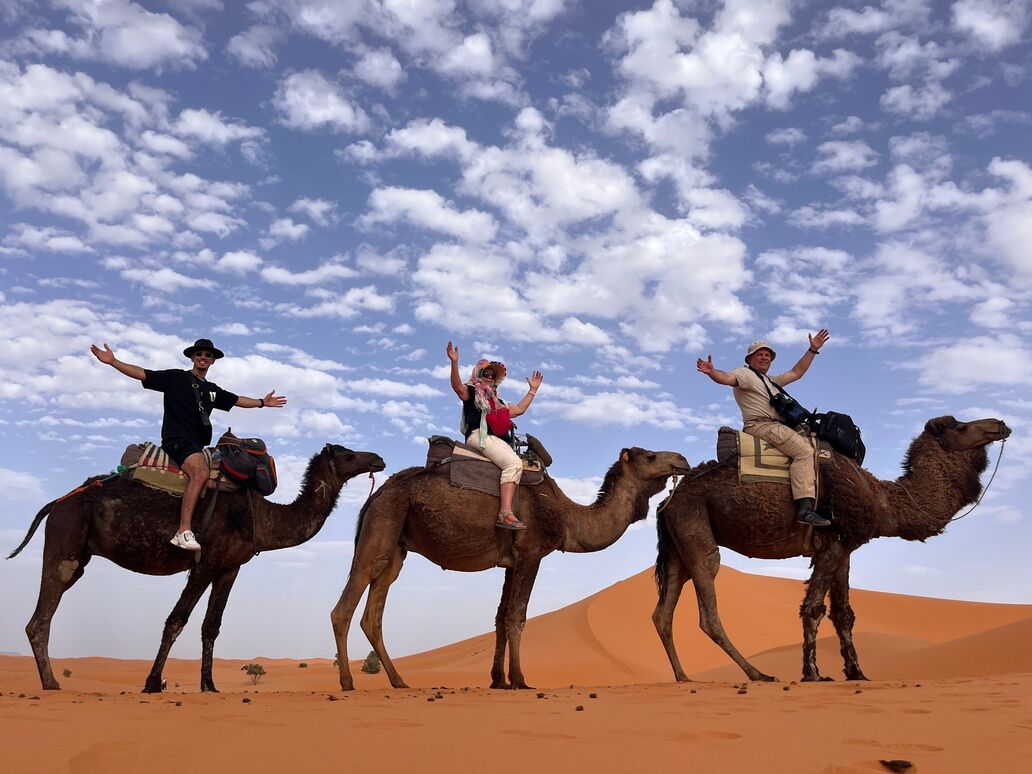

Tours & Itineraries
A 10-day Morocco loop through Rabat, Chefchaouen, Fes, the Sahara at Merzouga, and Marrakech - plus how to add a coastal Essaouira stop of your own.

Tours & Itineraries
A 14-day Morocco grand tour covering imperial cities, the Rif and Atlas mountains, a full Sahara desert camp, and a coastal finish in Essaouira.
Going Morocco
A complete first-timer's guide to Marrakech: the best time to visit, where to stay, top things to do, what to eat, and practical tips for getting around safely.
Going Morocco
The best things to do in Morocco, from the Sahara to the medinas, for first-time visitors and returning travelers alike.

Handicrafts & Products
Moroccan rugs make a beautiful addition to any home. Each one is woven by hand, often by a woman in a small Atlas Mountain village or in a cooperative workshop in Fez or Marrakech. As a Moroccan, I grew up around these rugs, and I still see new buyers ask the same questions: Is this rug real? Will it suit my room? And how do I avoid getting tricked when buying from thousands of miles away? This guide answers those questions with practical advice you can use today. Why Online Moroccan Rug...

Going Morocco
Both Erg Chebbi and Erg Chigaga offer a real Sahara experience, but they are very different. This guide compares them side by side so you can choose the one that is right for you.
The stuff most first-time visitors ask us before they go.
If you're from the US, UK, EU, Canada, or Australia, no — you can stay up to 90 days without a visa. Just make sure your passport is valid for at least 6 months after your trip. Rules can change, so double check with your local Moroccan embassy before you book.
Yes, overall Morocco is a safe country for travelers. Violent crime against tourists is rare. Like any busy destination, keep an eye on your bag in crowded souks and use official taxis or transport apps, and you'll be fine.
Arabic and Berber (Amazigh) are the official languages, and French is spoken almost everywhere too. In touristy spots like Marrakech and Fez, you'll find plenty of English as well.
The Moroccan Dirham (MAD) is the only currency used day-to-day, and you can't buy it before you arrive. Bring Euros, US Dollars, or British Pounds in cash and exchange them at the airport or a local bank, or just pull dirhams straight from an ATM.
Many women travel solo in Morocco and have a great time. You may get more stares or comments than at home, especially in busy medinas — dressing modestly and walking with confidence helps a lot. Avoid empty alleys at night, same as you would anywhere.
Spring (March–May) and autumn (September–November) are the sweet spot — warm days, cool nights, and comfortable temperatures almost everywhere. Summer can be brutally hot inland (think 40°C+ in Marrakech), though the coast stays cooler.
Morocco is fairly relaxed compared to some neighboring countries, but it's still respectful to cover your shoulders and knees in cities and medinas, especially for women. Swimwear is totally fine at pools and beaches.
Yes — haggling is expected and even part of the fun. Prices aren't fixed in most souks. A common approach: start well below the first price you're quoted, stay friendly, and meet somewhere in the middle.
GoingMorocco is a travel guide built from real experience on the ground in Morocco, not recycled listicles.
Our mission is simple: help you plan a trip that actually matches how Morocco really is — practical, detailed, and honest.
Every guide is written and checked by people who've actually been there, so you can plan with confidence instead of guesswork.