
Discovering the Heart of Moroccan Hospitality: Mint Tea

Mint tea in Morocco is more than just a drink. It’s a symbol of everyday life and hospitality. Families serve it when guests arrive, shopkeepers offer it in their stores, and friends enjoy it together in cafes. It’s refreshing, sweet, and full of flavor. Some even call it “Moroccan whisky,” not because it contains alcohol, but because of how central it is in Moroccan culture.
The Essence of Moroccan Mint Tea
The base of the tea is usually Chinese green tea, most often gunpowder tea. What makes it unique is the addition of fresh mint and the way it is poured and served. The act of making tea is almost like a small ceremony. People take pride in preparing it, and pouring the tea from high above into glasses is part of the tradition. If you want to bring a piece of Moroccan daily life into your home, learning how to make Moroccan mint tea is a fantastic start.
Growing up in Morocco, I don’t remember a single guest visit that didn’t start with mint tea first and conversation second. It’s less about the drink itself and more about what it signals: you’re welcome here, sit down.
How to Choose Quality Tea
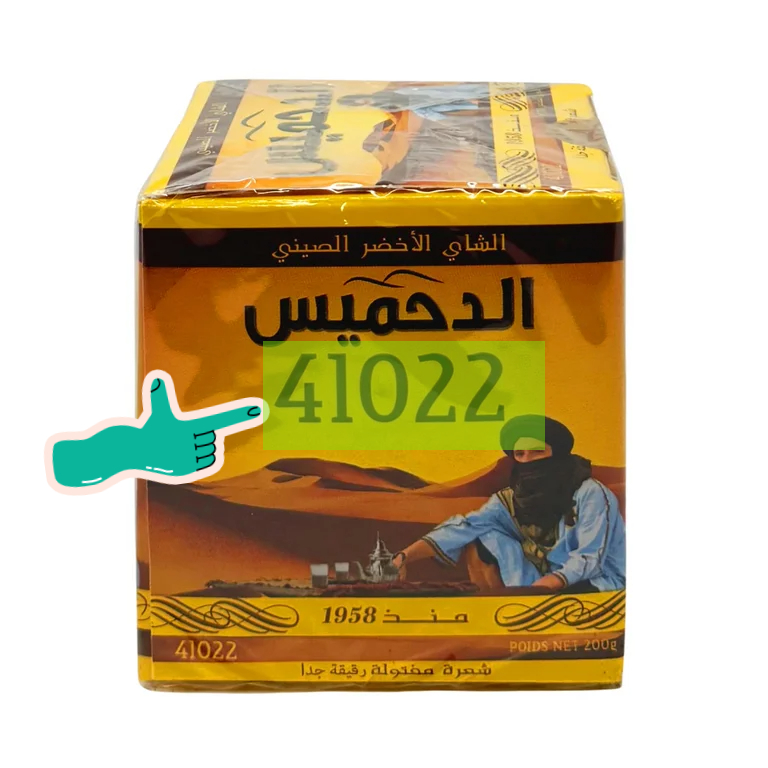
Not all green tea is the same. The quality makes a big difference in both taste and health. When you buy tea for Moroccan mint tea, check the label or box for the number 41022. This number usually marks high-quality gunpowder tea that gives a clean, strong, and balanced flavor.
Lower numbers often mean lower quality, with tea that can taste flat, dusty, or too bitter. While you can make tea with any type, choosing the right quality will help you enjoy the real Moroccan taste. It’s better to spend a little more on good tea leaves, as you will need only a small amount each time.
Moroccan Mint Tea Recipe
Ingredients:
- 1 tablespoon Chinese gunpowder green tea (preferably labeled 41022)
- 1 bunch of fresh mint leaves
- 3 to 4 tablespoons of sugar (or less, depending on taste)
- 1 liter of boiling water
Step-by-Step Guide
- Rinse the tea: Place the green tea leaves into a teapot. Add a small amount of boiling water, swirl it around gently, then pour out this water. This step removes bitterness, dust, and any impurities from the leaves.
- Brew the tea: Add one liter of boiling water to the rinsed leaves in the teapot. Put the teapot on the stove on low heat until it starts overflowing. Turn off the stove and let the tea steep for about two minutes. This allows the flavor to release without turning bitter.
- Add mint and sugar: Place a large bunch of fresh mint leaves directly into the pot and add sugar. Adjust the sugar to your taste, but traditionally, Moroccans add a lot.
- Mix the tea: To blend everything, pour one glass of tea and return it to the pot. Repeat this process two or three times. This also helps mix the sugar evenly.
- Serve the tea: Pour the tea into small glasses from a height. This not only mixes air into the tea and creates foam but also shows a bit of skill in serving.
A Note on Sugar
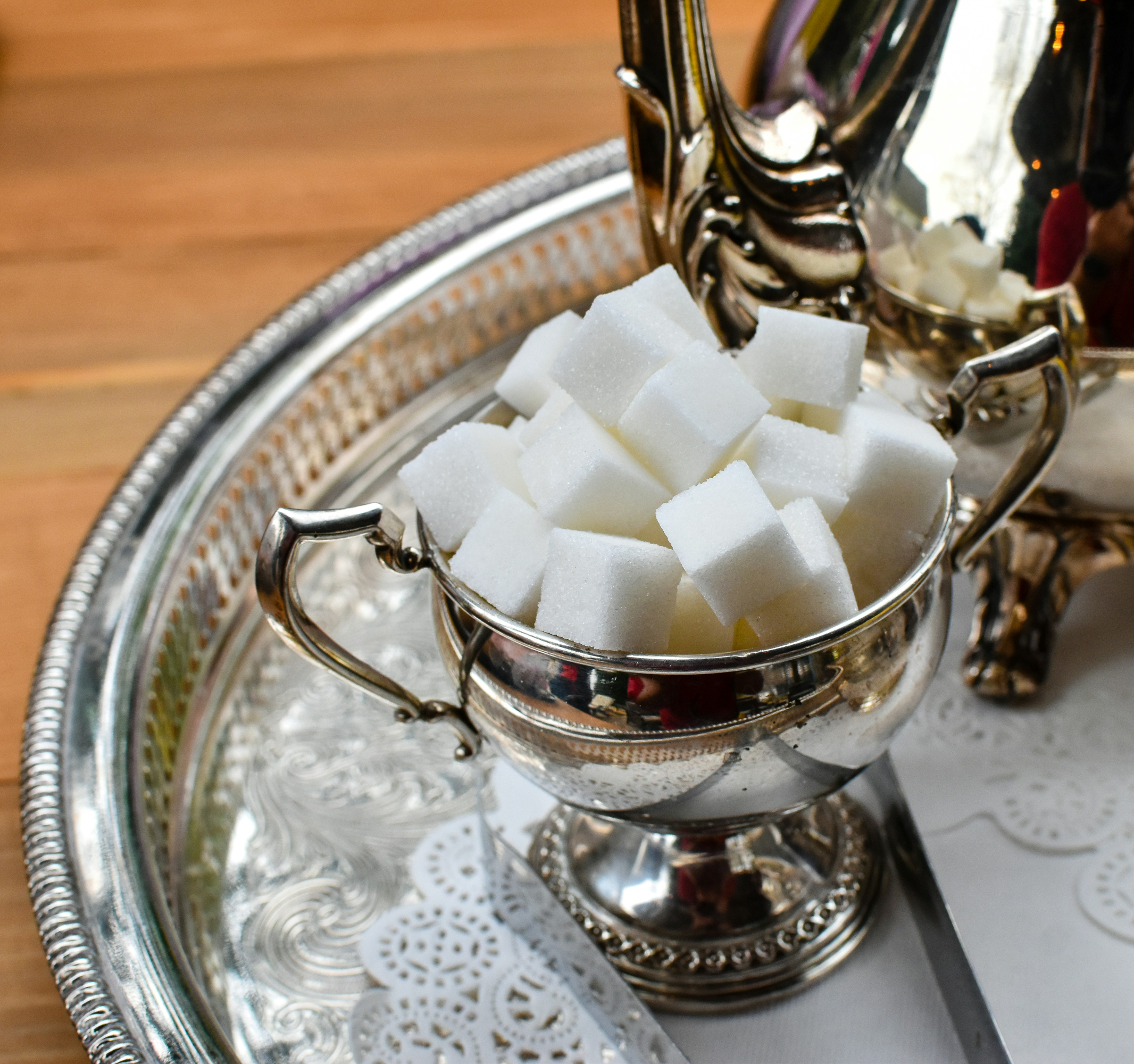
One thing you’ll notice about Moroccan mint tea is the amount of sugar. It’s very common to prepare it with three to four large chunks of sugar for one pot, making it quite sweet. This is part of the tradition, and for many people in Morocco, the tea isn’t complete without it.
However, this much sugar can be harmful if you drink it often. If you’re someone with diabetes or trying to lower your sugar intake, be cautious. Too much sugar can raise blood sugar levels and lead to health problems. If you’re making tea at home, you can control the sweetness. Try cutting the sugar amount in half or replacing it with honey for a lighter option. You’ll still enjoy the flavor of the mint and tea without the heavy sweetness.
Other Herbs and Tea Variations
Mint is the most common choice, but Moroccans often add or replace it with other herbs, depending on the season and personal preference.
Wormwood (Sheba)
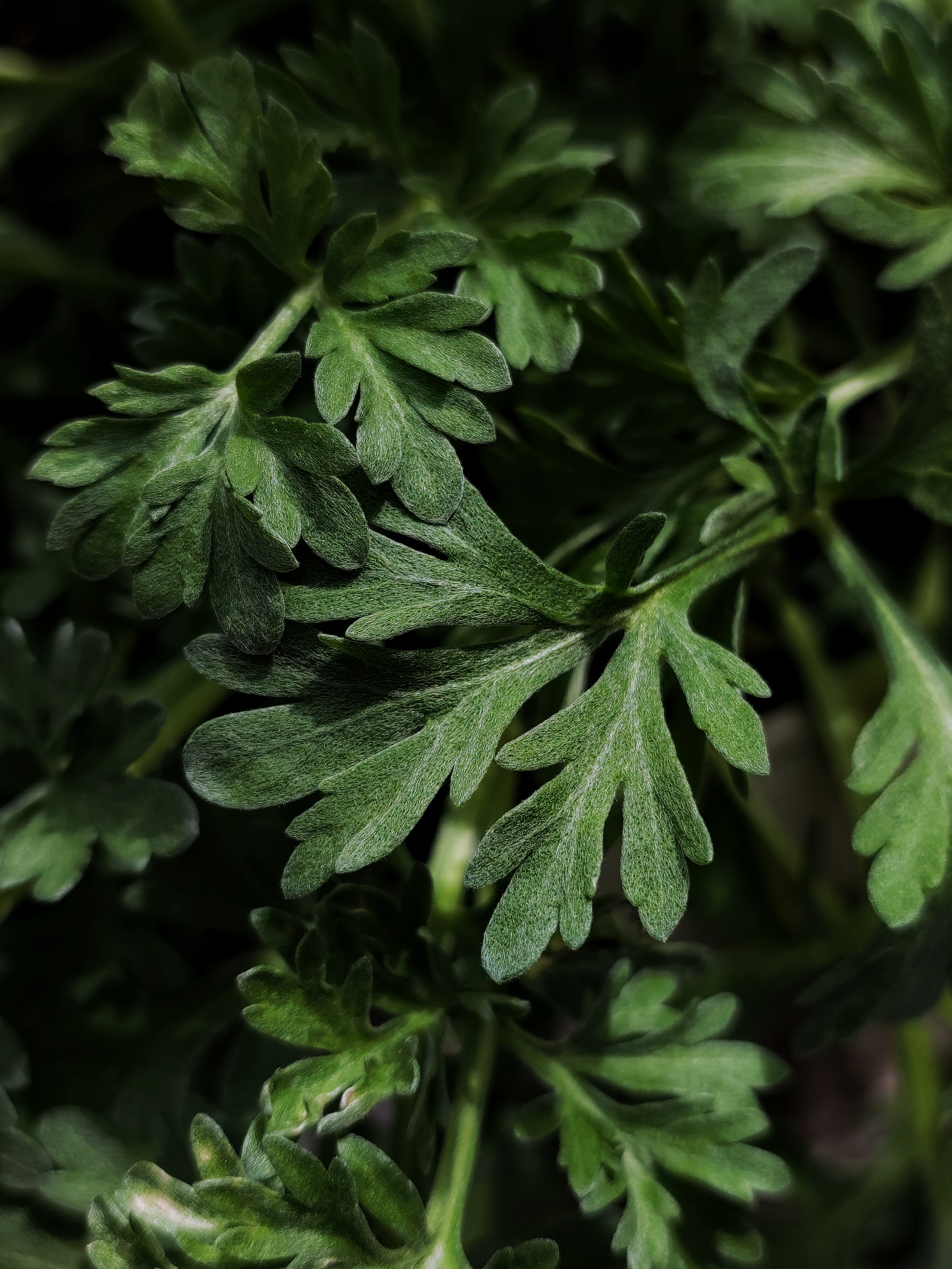
This herb is popular in winter because it warms the body. It has a slightly bitter taste and a strong aroma. A small amount can add depth, but too much can make the tea hard to drink. People also believe wormwood helps with digestion and colds. However, it should be used in moderation, as drinking it too often or in large amounts may upset the stomach.
Lemon Verbena (Louiza)
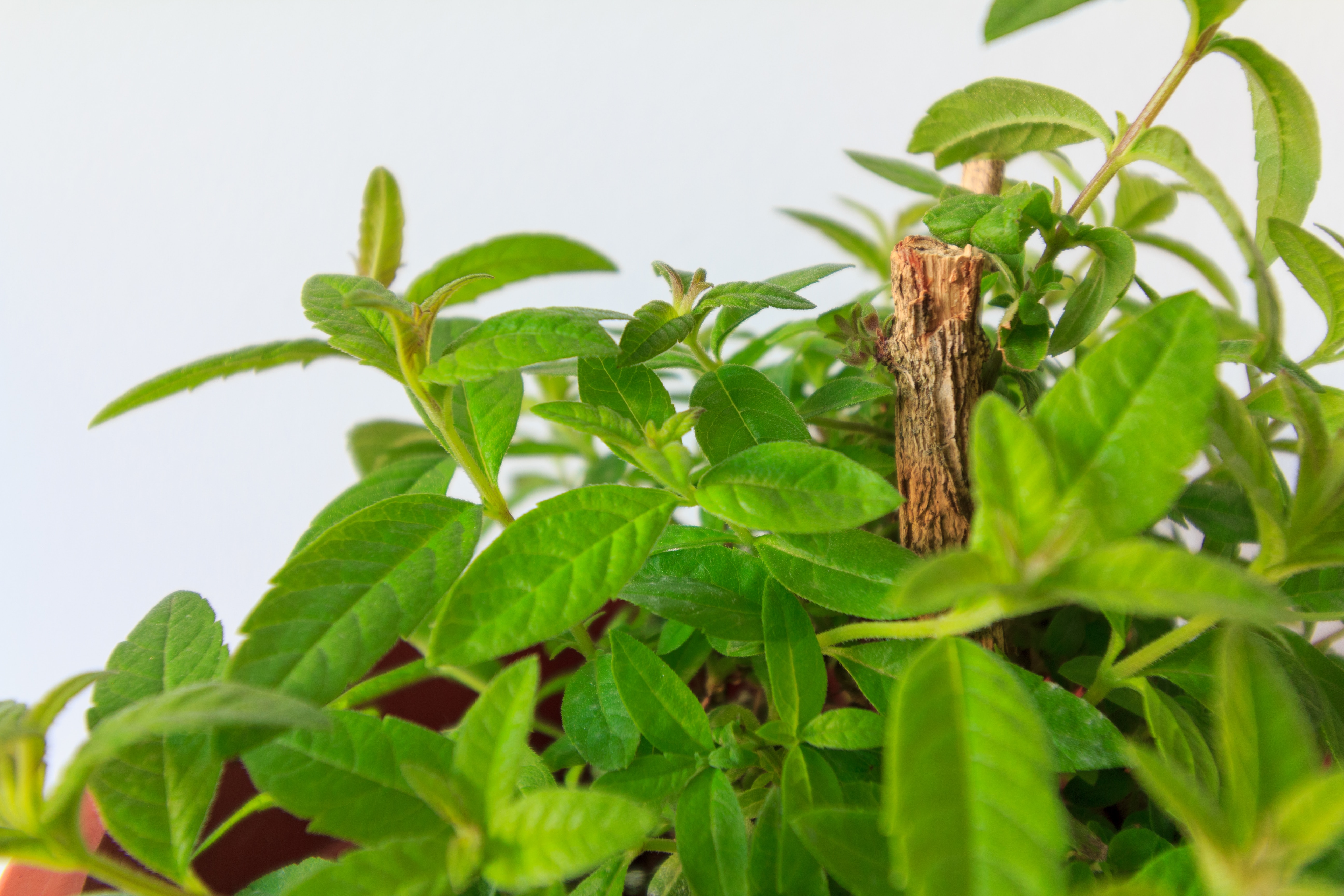
This herb gives the tea a citrus-like freshness and a calming effect. It’s commonly used in Morocco as a natural way to relax or ease stress. Many people drink it before bedtime. While generally safe, consuming too much can sometimes cause stomach irritation for sensitive individuals.
Sage (Merramiya)
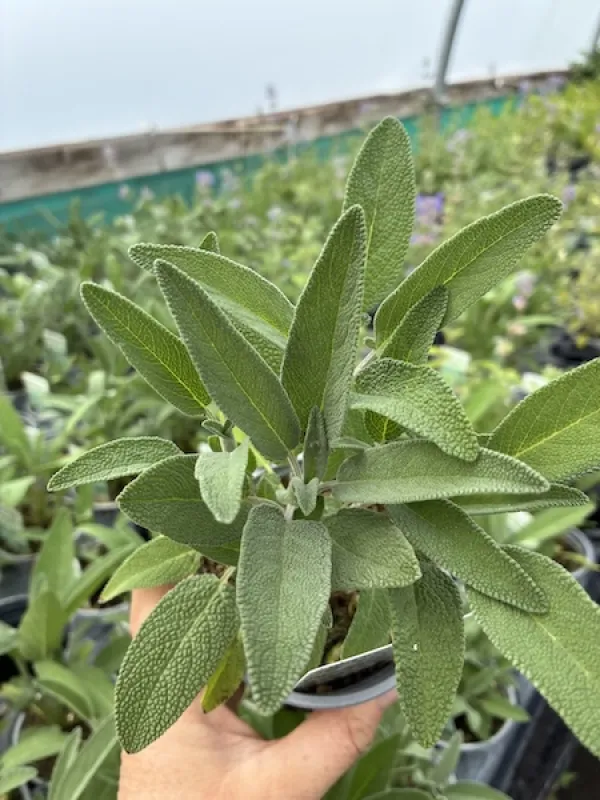
Sage is known for its strong taste and is often used for both flavor and health benefits. Some Moroccans drink sage tea to soothe sore throats or aid digestion. It’s powerful, so adding a small amount is enough. Drinking sage tea every day, especially in large quantities, isn’t advised because it can affect blood pressure and may not be good for people with certain health conditions.
Thyme (Zaâtar)
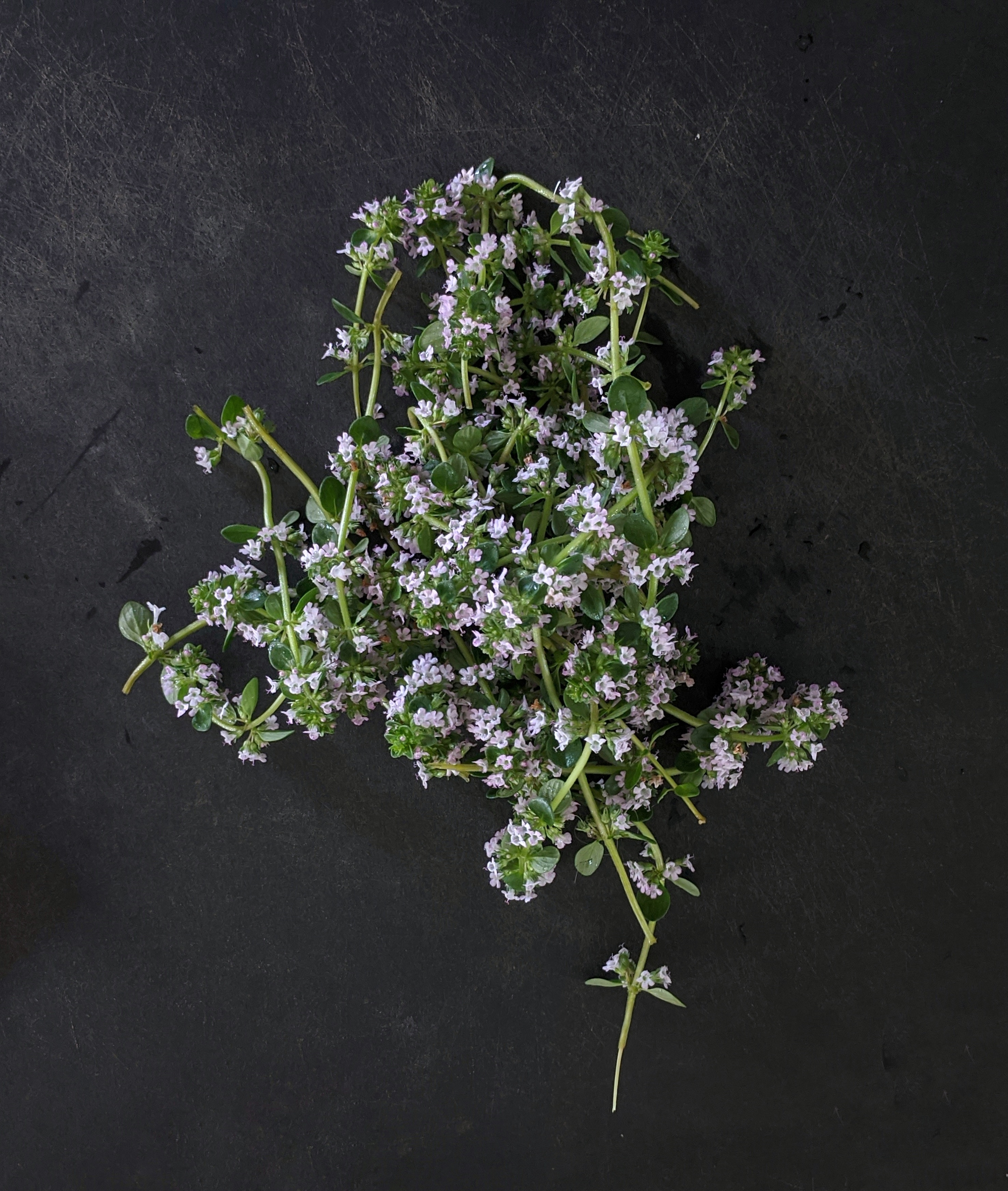
Thyme has a sharp, aromatic flavor and is also used for its antibacterial properties. Many people use it when they feel a cold or cough coming on. A little thyme adds a unique taste to green tea, but like other strong herbs, it should not be overused, as it may cause discomfort if consumed in large amounts.
Trying different herbs can give you a new experience each time, but it’s always best to use them in moderation and not rely too much on any single one.
The Cultural Significance of Mint Tea
Mint tea is more than just a beverage; it’s a ritual. In Morocco, serving tea is an art form. The way it’s poured, the type of glass used, and even the order of serving all hold meaning. When you’re invited to share a cup of mint tea, you’re being welcomed into someone’s home and heart. It’s a moment to connect, share stories, and enjoy each other’s company.
Local Tip: Turning down a glass of mint tea when it’s offered, especially in someone’s home, can come across as rude even if you don’t mean it that way. If you don’t want to finish it, it’s fine to take a few sips and let the rest sit, just try not to refuse it outright.
Bringing a Taste of Morocco Home
Moroccan mint tea is more than just a drink; it’s a part of culture, hospitality, and daily life. The recipe is simple, but the details, such as choosing high-quality tea and using fresh herbs, make a big difference. While mint is the most common choice, herbs like wormwood, lemon verbena, sage, and thyme offer unique flavors and health benefits when used in moderation.
The one part you may want to adjust is sugar. Moroccans like their tea very sweet, but you can adapt it to your own health and taste. With the right ingredients and care, you can make Moroccan mint tea at home and enjoy the warmth and spirit it brings.
So, are you ready to brew your own Moroccan mint tea? It’s a simple way to bring a taste of Morocco into your kitchen.
Related Guides
- Moroccan Tagine Cooking Class is a Must-Do
- Moroccan Snails Soup (Babbouche) Recipe: Dare to Try It?
- Moroccan Loubia Recipe Step by Step
- How to Make Medfouna: Recipe for The Moroccan Berber Pizza


