Top Things to Do in Morocco: The Complete List of All Fun Activities in Morocco
Planning a trip to Morocco and wondering what to do? You’re in for a good time.
Morocco is one of those countries where you can wake up in a busy ancient medina, drive through snowy mountains a few hours later, and end the day watching the sunset over the Sahara Desert.
You can ride a camel across huge sand dunes, get lost in colorful souks, eat a tagine cooked in a traditional clay pot, surf on the Atlantic coast, hike through mountain valleys, sleep in a desert camp, or simply sit in a small café with a glass of Moroccan mint tea and watch the world go by.
And honestly, you don’t have to do everything.
One of the best things about Morocco is that different types of travelers can have completely different experiences in the same country.
So, whether you’re visiting Morocco for the first time, planning a road trip, traveling with friends, looking for a romantic getaway, or simply trying to figure out where to go, here’s my list of the best things to do in Morocco.
Quick answer: What are the best things to do in Morocco?
If you don’t have time to read the whole article, here are some of the experiences I would put at the top of your list:
- Explore the medina of Marrakech
- Spend a night in the Sahara Desert
- Ride a camel across the Erg Chebbi dunes
- Wander through the blue streets of Chefchaouen
- Explore the ancient medina of Fes
- Visit the Hassan II Mosque in Casablanca
- Hike in the Atlas Mountains
- Visit Aït Benhaddou
- Relax in Essaouira
- Try authentic Moroccan food
- Take a Moroccan cooking class
- Surf in Taghazout
- Visit the Akchour waterfalls
- Explore Morocco’s souks and markets
- Visit the historic city of Rabat
- Discover the Roman ruins of Volubilis
- Take a traditional Moroccan hammam
- Explore Morocco’s waterfalls and natural landscapes
- Visit the coastal towns of the Atlantic
- Take a Moroccan road trip
And that’s only the beginning.
The Moroccan National Tourist Office also groups the country’s experiences into categories such as medinas, nature, beaches, sports, gastronomy, shopping and wellness, which gives you an idea of just how much there is to do here.
Explore Marrakech
Let’s start with the obvious one.
Marrakech is probably the first Moroccan city that comes to mind when many people think about visiting Morocco.
And yes, Marrakech is worth visiting.
The city is loud, colorful, busy, chaotic, beautiful and sometimes slightly overwhelming.
That’s part of the fun.
Start in the old Medina and simply walk.
You don’t necessarily need a strict plan. Wander through the narrow streets, look at the architecture, visit small shops, stop for tea and see where the streets take you.
Then head towards Jemaa el-Fna, especially in the evening.
The square changes completely after sunset. Food stalls appear, people gather, musicians perform and the whole area becomes much more alive.
If you want a deeper look at the city, I’ve written a full guide here:
Don’t miss in Marrakech
- Jemaa el-Fna
- Koutoubia Mosque
- Marrakech Medina
- Bahia Palace
- Majorelle Garden
- Traditional souks
- Moroccan riads
- Local food markets
- Traditional hammams
Spend a night in the Sahara Desert
If you ask me to choose one experience that you absolutely shouldn’t skip in Morocco, this would be very high on my list.
The Moroccan Sahara feels completely different from the cities.
There are no busy medinas.
No traffic.
No endless shops.
Just huge landscapes, silence, sand and an incredible sky at night.
Most visitors head towards Merzouga and Erg Chebbi for the classic desert experience.
You can ride a camel into the dunes around sunset, spend the night in a desert camp, eat dinner around a fire and wake up early to watch the sunrise.
And yes, it can feel touristy.
But that doesn’t necessarily make it bad.
Some experiences become popular because they’re actually worth experiencing.
For a more detailed guide, check out:
You can also read our more recent guide covering what you should know before booking a Sahara tour:
- Ride a camel across Erg Chebbi
You can’t really talk about the Moroccan Sahara without mentioning Erg Chebbi.
Erg Chebbi is a huge field of sand dunes near Merzouga.
The dunes can reach impressive heights, and the landscape looks completely different depending on the time of day.
Sunrise?
Beautiful.
Sunset?
Even better.
A full moon?
Also incredible.
Camel trekking is one of the classic ways to enter the desert camp.
And while sitting on a camel for the first time can be slightly uncomfortable, it’s part of the experience.
If you’re interested specifically in Erg Chebbi, check out:
Get lost in Chefchaouen
Well, maybe don’t get too lost.
But definitely wander.
Chefchaouen is famous for its blue-painted streets and buildings, and it’s one of those Moroccan destinations that looks almost unreal in photographs.
The city is located in the Rif Mountains in northern Morocco.
The best thing to do here?
Walk.
Don’t rush.
Explore the small streets, look at the blue walls, visit local shops and stop somewhere for Moroccan tea.
And if you’re interested in hiking, the surrounding mountains offer much more than pretty streets.
The famous Akchour waterfalls are also nearby.
Hike to the Akchour Waterfalls
If you’re visiting Chefchaouen and love nature, don’t spend the entire trip inside the city.
Go to Akchour.
The area is surrounded by mountains, rivers, forests and hiking trails.
Depending on the route you choose, you can find natural pools, waterfalls and impressive rock formations.
It’s a completely different side of Morocco.
Bring comfortable shoes.
Bring water.
And don’t expect the hike to be a five-minute walk from the car.
That’s kind of the point.
Explore Fes and its ancient Medina
If Marrakech is Morocco’s energetic tourist city, Fes feels more like stepping into another period of history.
The Fes Medina is one of the country’s most fascinating places to explore.
Walk through the narrow streets and you’ll find shops selling leather, carpets, ceramics, spices, clothing, metalwork and countless other traditional products.
The city is also famous for its historic architecture and traditional craftsmanship.
Don’t just visit Fes to take photographs.
Talk to people.
Try the food.
Watch artisans work.
Get lost in the Medina.
And yes, you probably will get lost.
That’s normal.
The Moroccan National Tourist Office lists Fes among Morocco’s four imperial cities, alongside Rabat, Meknes and Marrakech.
Visit the Hassan II Mosque in Casablanca
Casablanca isn’t always the city tourists fall in love with immediately.
But there is one place you should absolutely consider visiting:
Hassan II Mosque.
The mosque sits beside the Atlantic Ocean and is one of Casablanca’s most recognizable landmarks.
It’s also one of the places that reminds visitors that Morocco isn’t only about ancient medinas and desert camps.
Casablanca is modern Morocco too.
Skyscrapers, business districts, restaurants, cafés and contemporary neighborhoods exist alongside historic architecture.
So don’t completely skip Casablanca just because Marrakech and Fes get more attention.
Visit Ait Benhaddou
If you’ve watched movies or TV shows filmed in Morocco, there’s a good chance you’ve already seen Aït Benhaddou.
This historic fortified village, or ksar, sits along the old route between Marrakech and the Sahara.
Its earthen architecture makes it one of the most recognizable landscapes in southern Morocco.
It’s also a UNESCO World Heritage Site.
The surrounding area is especially impressive when the light changes around sunrise and sunset.
If you’re driving between Marrakech and the Sahara, Aït Benhaddou is one of those stops that makes the long journey much more interesting.
Drive through the Atlas Mountains
One of the biggest mistakes first-time visitors make is thinking Morocco is mainly cities.
It isn’t.
The mountains are incredible.
Driving from Marrakech towards southern Morocco takes you through dramatic landscapes, mountain villages, valleys and changing scenery.
The High Atlas Mountains are especially popular for hiking and outdoor adventures.
If you enjoy hiking, consider spending more time around mountain villages instead of simply driving through them.
The Atlas Mountains also offer a completely different experience during different seasons.
Spring can be green and pleasant.
Winter can bring snow to higher elevations.
Summer can be an escape from the extreme heat found in some lower areas.
Visit the Dades Valley and Todra Gorge
Southern Morocco isn’t just sand dunes.
Before reaching the desert, you’ll encounter some spectacular landscapes.
The Dades Valley is famous for its dramatic rock formations, valleys and traditional villages.
Then there’s Todra Gorge, where enormous cliffs rise around the road and river.
It’s an excellent place for photography, hiking and simply stopping for a while.
If you’re doing a multi-day road trip from Marrakech towards Merzouga, this region is worth slowing down for.
Relax in Essaouira
Sometimes you don’t want another busy city.
Sometimes you just want to sit near the ocean.
That’s where Essaouira comes in.
Essaouira has a completely different personality from Marrakech.
It’s coastal, windy, relaxed and artistic.
Walk through the Medina.
Eat fresh seafood.
Explore the harbor.
Walk along the beach.
Watch the sunset.
And don’t rush.
I’ve already written a complete guide on whether Essaouira is worth visiting:
My answer?
Yes.
Especially if you want to slow down after spending several days traveling around Morocco.
Go surfing in Taghazout
Morocco is also a fantastic destination for surfers.
Taghazout, near Agadir, has become one of the country’s best-known surfing destinations.
Even if you aren’t an experienced surfer, you can take lessons and give it a try.
And if surfing isn’t your thing?
That’s fine.
The atmosphere alone makes Taghazout worth considering.
Small cafés, ocean views, beaches and a relaxed traveler community make it a nice place to spend a few days.
Eat as much Moroccan food as possible
Let’s be honest.
You can’t visit Morocco and survive on sandwiches from your hotel.
Well, technically you can.
But why would you?
Moroccan food is one of the best parts of traveling around the country.
Start with:
- Tagine
- Couscous
- Harira
- Pastilla
- Msemen
- Rfissa
- Moroccan salads
- Grilled meats
- Fresh bread
- Mint tea
- Moroccan pastries
And don’t assume Moroccan food tastes exactly the same everywhere.
Different regions have their own specialties and variations.
I’ve put together a much bigger guide here:
Take a Moroccan cooking class
Eating Moroccan food is great.
Learning how to make it yourself is even better.
Cooking classes are available in several Moroccan cities, particularly Marrakech and Fes.
You’ll usually learn how traditional Moroccan dishes are prepared, from selecting ingredients to mixing spices and cooking everything slowly.
And when you return home, you can annoy your friends by making tagine for everyone.
Worth it.
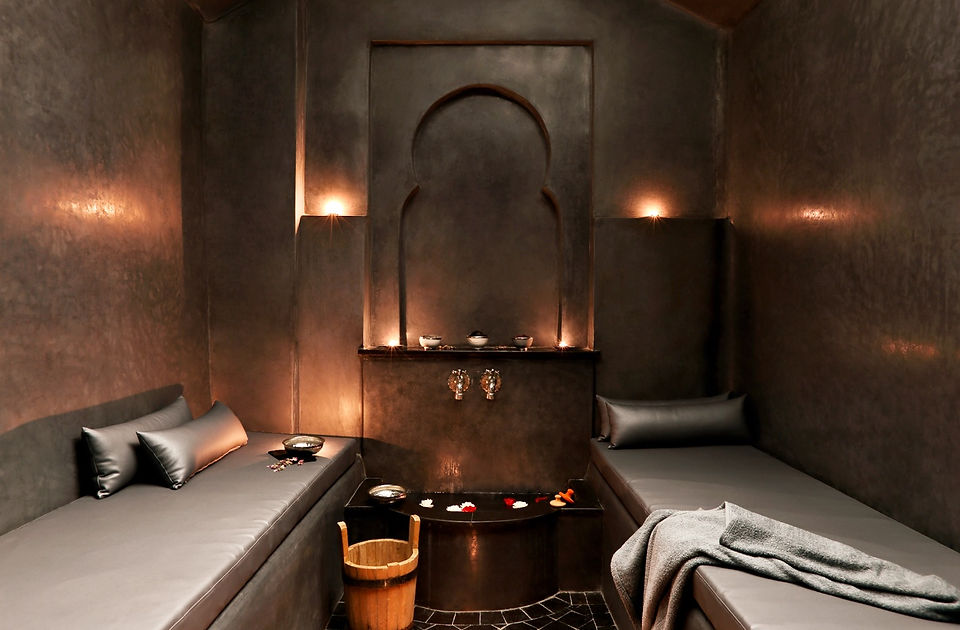
Experience a traditional Moroccan hammam
After walking around a Medina for six hours, your feet will probably have some opinions.
A hammam can help.
The Moroccan hammam is a traditional bathing and cleansing experience that has been part of Moroccan social life for generations.
You can find everything from simple neighborhood hammams to luxurious spa experiences.
If you want the more local experience, ask someone you trust to recommend a good traditional hammam.
If you prefer comfort and privacy, choose a reputable spa or hotel hammam.
Shop in the Moroccan souks
Morocco is a dangerous place for your wallet.
You walk into a souk saying:
“I’m just looking.”
Twenty minutes later you’re carrying a carpet, a leather bag, three ceramic plates and something you have absolutely no idea how to get into your suitcase.
The souks are part of the Moroccan experience.
Depending on where you go, you can find:
- Moroccan rugs
- Leather goods
- Ceramics
- Lanterns
- Spices
- Jewelry
- Traditional clothing
- Wooden crafts
- Handmade baskets
- Argan products
And yes, bargaining is often part of the experience.
Just remember that bargaining should be friendly.
The goal isn’t necessarily to get something for the lowest possible price.
The goal is to agree on a price that feels fair to both sides.
Visit Rabat
Rabat doesn’t always get the same attention as Marrakech.
That’s a shame.
Morocco’s capital is cleaner, calmer and more organized than some of the country’s busier tourist destinations.
Visit the Kasbah of the Udayas, explore the historic center, see the Hassan Tower and walk around the city.
Rabat is particularly good if you want to experience Morocco without feeling like you’re constantly surrounded by tourist groups.
Explore Volubilis
Want to see Roman ruins in Morocco?
Yes, Morocco has those too.
Volubilis is an ancient Roman archaeological site near Meknes.
Walking around the ruins gives you another perspective on the country’s incredibly long history.
You can combine Volubilis with Meknes and Fes for a historical route through northern Morocco.
Visit Meknes
Meknes is one of Morocco’s four imperial cities.
It doesn’t receive the same number of tourists as Marrakech or Fes, which can actually be part of its appeal.
If you want somewhere with history and impressive architecture but a somewhat slower pace, Meknes deserves a place on your itinerary.
And because it’s relatively close to Fes and Volubilis, it’s easy to combine with both.
Walk around Tangier
Tangier sits at the northern tip of Morocco, where the Mediterranean meets the Atlantic.
For centuries, its location made it a meeting point between Africa and Europe.
Today, it’s a lively Moroccan city with a strong Mediterranean atmosphere.
Explore the Medina, walk around the Kasbah, visit the coast and spend some time simply watching the movement of the city.
Tangier is also a great starting point if you’re entering Morocco from Spain.
Explore Morocco’s beaches
Morocco has both Atlantic and Mediterranean coastlines.
That means beach lovers have plenty of options.
Depending on what you’re looking for, you could visit:
- Essaouira
- Agadir
- Taghazout
- Al Hoceima
- Asilah
- Saïdia
- Dakhla
- Legzira
- Sidi Ifni
And the experience isn’t the same everywhere.
Some beaches are ideal for surfing.
Others are better for swimming.
Some are surrounded by restaurants and hotels.
Others feel much more remote.
If you want to get away from the famous tourist destinations, check out our guide to some of Morocco’s lesser-known places:
Discover Legzira Beach
Speaking of hidden gems…
Legzira is famous for its dramatic red cliffs and ocean scenery.
It’s located near Sidi Ifni in southern Morocco.
The enormous rock formations make the beach look almost like something from a fantasy movie.
One important thing to know before visiting: photographs online can be misleading because one of the famous natural arches collapsed in 2016.
The beach is still beautiful, though.
Visit Ifrane
Want to see a completely different Morocco?
Go to Ifrane.
The city is known for its European-style architecture, clean streets, green landscapes and colder climate.
And yes, it can snow.
That’s one of the reasons Ifrane surprises people who assume Morocco is permanently hot.
You can combine Ifrane with a trip through the Middle Atlas Mountains.
Explore Morocco’s waterfalls and mountains
Morocco has plenty of natural attractions beyond the Sahara.
Depending on your itinerary, you can explore:
- Akchour
- Ouzoud Waterfalls
- Atlas Mountain valleys
- Rif Mountain trails
- Paradise Valley
- Todra Gorge
- Dades Valley
- Anti-Atlas landscapes
If you’re an outdoor traveler, don’t build your Morocco trip entirely around cities.
Give yourself some time in nature.
You’ll probably be glad you did.
Take a road trip across Morocco
This might be my favorite way to experience the country.
Morocco is extremely diverse geographically.
A road trip can take you from:
Casablanca â Rabat â Chefchaouen â Fes â Merzouga â Dades â Aït Benhaddou â Marrakech â Essaouira
And suddenly you understand why people say Morocco feels like several countries in one.
You’ll see:
- Cities
- Mountains
- Deserts
- Valleys
- Beaches
- Farms
- Villages
- Kasbahs
- Ancient ruins
You can also take shorter road trips if you don’t have two weeks.
For example, our 5-day Marrakech-to-desert itinerary covers the Atlas Mountains, Zagora, Merzouga and several southern Moroccan landscapes:
Stay in a Moroccan riad
A riad isn’t just somewhere to sleep.
For many travelers, staying in one is part of the Moroccan experience.
Traditional riads are usually built around an interior courtyard, often with a garden, fountain or pool.
From the outside, some can look almost invisible.
Then you walk inside and suddenly you’re in a beautiful little world.
You can find riads in cities such as Marrakech, Fes, Essaouira and Chefchaouen.
Drink Moroccan mint tea
You can’t come to Morocco and avoid mint tea.
Actually, you probably shouldn’t try.
You’ll be offered tea in homes, cafés, restaurants, shops and sometimes by complete strangers who simply want to have a conversation.
Accept it.
Sit down.
Drink slowly.
Talk.
Travel isn’t always about checking things off a list.
Sometimes the best moments happen when you’re doing absolutely nothing.
Watch a Moroccan sunset
This one is free.
And that’s always nice.
You can watch the sunset:
- Over the Sahara dunes
- From the Atlantic coast
- From a rooftop in Marrakech
- From the hills around Chefchaouen
- In the Atlas Mountains
- Along Essaouira’s beach
Morocco’s landscapes are particularly beautiful around golden hour.
So don’t spend every evening inside your hotel.
Go outside.
Experience Moroccan festivals and music
Morocco has a rich musical and cultural scene.
One of the best-known examples is the Gnaoua World Music Festival in Essaouira.
Other cities also host cultural events, concerts and festivals throughout the year.
If you’re planning your trip around a particular festival, check the official dates before booking your flights and accommodation.
The Moroccan National Tourist Office maintains information about destinations, activities and travel planning resources.
- Get away from the tourist crowds
Here’s something I strongly recommend.
Don’t spend your entire trip visiting only the places you’ve seen on Instagram.
Yes, Marrakech is worth visiting.
Yes, Chefchaouen is beautiful.
Yes, the Sahara is incredible.
But Morocco has much more.
Visit a small town.
Stop at a roadside café.
Eat somewhere that doesn’t have an English menu.
Talk to a local.
Take a wrong turn.
Visit a market.
Spend a night somewhere you didn’t originally plan to stay.
Some of your best memories might come from places that weren’t on your itinerary.
If you’re looking for ideas, start with:
The best things to do in Morocco by traveler type
Still not sure what to choose?
Here’s a simpler way to think about it.
ðï¸ If you love adventure
Try:
- Sahara desert tours
- Camel trekking
- Atlas Mountain hiking
- Akchour
- Surfing in Taghazout
- Quad biking
- Road trips
ðï¸ If you love history
Visit:
- Fes
- Marrakech
- Rabat
- Meknes
- Volubilis
- Aït Benhaddou
- Moroccan medinas
ð If you love beaches
Consider:
- Essaouira
- Taghazout
- Agadir
- Al Hoceima
- Dakhla
- Legzira
- Asilah
ð² If you’re a foodie
Try:
- Tagine
- Couscous
- Harira
- Pastilla
- Rfissa
- Msemen
- Moroccan pastries
- Mint tea
- Seafood in Essaouira
ð¸ If you want beautiful photographs
Don’t miss:
- Chefchaouen
- Marrakech
- Sahara dunes
- Aït Benhaddou
- Essaouira
- Atlas Mountains
- Legzira
ð If you just want to relax
Try:
- Essaouira
- Chefchaouen
- Moroccan hammams
- Coastal resorts
- Atlas Mountain villages
- A traditional riad
How many days do you need in Morocco?
This depends on what you want to see.
3â4 days
Pick one or two destinations.
For example:
Marrakech + Essaouira
or
Fes + Chefchaouen
Don’t try to cross the entire country in four days.
You’ll spend most of your vacation inside a car.
5â7 days
You can start combining destinations.
For example:
Marrakech â Atlas Mountains â Aït Benhaddou â Dades Valley â Merzouga
Our 5-day desert itinerary is a good example of how this can work.
8â10 days
Now you have enough time for a proper Morocco trip.
You could combine:
Chefchaouen â Fes â Sahara â Atlas Mountains â Marrakech
2 weeks or more
This is where things get interesting.
You can combine northern Morocco, the imperial cities, the Sahara, the mountains and the Atlantic coast without constantly rushing.
When is the best time to visit Morocco?
There isn’t one perfect answer.
Morocco’s climate varies considerably depending on where you’re going.
Generally speaking, spring and autumn are excellent periods for many travelers because temperatures are often more comfortable than during the hottest parts of summer.
But winter can be fantastic for the desert and cities, while summer can be attractive if you’re focusing on the coast or mountains.
Before booking, check the weather for the specific regions you’re visiting rather than relying on a single “Morocco weather” forecast.
The official Moroccan tourism website has a useful travel section covering climate, seasons, formalities, currency and other practical information.
What should you know before visiting Morocco?
If this is your first trip, don’t worry too much.
Morocco receives travelers from all over the world and the tourism infrastructure is well established in the major destinations.
But a little preparation makes everything easier.
You’ll want to think about:
- Visa requirements
- Currency
- Local transportation
- SIM cards/eSIMs
- What to wear
- Accommodation
- Travel insurance
- Booking desert tours
- Getting around the Medinas
- Bargaining
- Cultural etiquette
I’ve already put together a full Q&A covering many of the questions first-time visitors ask:
For official travel information, it’s also worth checking the Moroccan National Tourist Office:
Where should you stay in Morocco?
It depends on your itinerary.
For a first trip, some of the easiest bases are:
Marrakech â great for culture, nightlife, food and day trips.
Fes â excellent for history, architecture and traditional Moroccan culture.
Chefchaouen â ideal for a slower mountain experience.
Essaouira â perfect for the coast and relaxation.
Merzouga â the obvious choice for a Sahara experience.
Agadir/Taghazout â beaches, surfing and a relaxed atmosphere.
How to get around Morocco
You have several options.
Trains
Trains are particularly useful between major cities such as Casablanca, Rabat, Fes and Marrakech.
Buses
Buses can be useful for destinations that aren’t directly connected by train.
Grand taxis
These are commonly used for certain routes between cities and towns.
Rental cars
A rental car gives you much more freedom, particularly if you’re exploring southern Morocco, the Atlas Mountains or smaller towns.
Organized tours
For the Sahara and longer routes, organized tours can make things considerably easier.
You don’t have to worry about navigating unfamiliar roads, arranging accommodation in multiple locations or figuring out every transfer yourself.
How much does a trip to Morocco cost?
There’s no single answer.
Morocco can be relatively affordable, but you can also spend a lot if you choose luxury accommodation, private tours and high-end restaurants.
Your budget will depend on:
- Flights
- Accommodation
- Transportation
- Food
- Tours
- Activities
- Shopping
- Travel season
A backpacker can travel very differently from someone staying in luxury riads and booking private desert tours.
A sample 10-day Morocco itinerary
If you’re completely lost and just want someone to tell you where to go, here’s a good starting point.
Day 1 â Marrakech
Explore the Medina and Jemaa el-Fna.
Day 2 â Marrakech
Visit the palaces, gardens and souks.
Day 3 â Marrakech â Aït Benhaddou
Cross the Atlas Mountains and visit Aït Benhaddou.
Day 4 â Aït Benhaddou â Dades Valley
Enjoy the southern landscapes and stay around Dades.
Day 5 â Dades â Merzouga
Travel towards the Sahara.
Day 6 â Sahara
Camel trek, desert camp and sunrise.
Day 7 â Merzouga â Fes
Long travel day, but you’ll see the landscape change dramatically.
Day 8 â Fes
Explore the Medina and historic sites.
Day 9 â Fes â Chefchaouen
Spend the afternoon exploring the blue city.
Day 10 â Chefchaouen â Tangier
Finish your trip in northern Morocco.
Of course, this is only one option.
If you have more time, slow it down.
That’s usually better.
The real secret to enjoying Morocco
Here’s my biggest piece of advice:
Don’t try to see everything.
Morocco is too diverse for that.
If you spend your entire vacation jumping from one city to another just so you can say you’ve “seen Morocco,” you might technically visit many places without actually experiencing any of them.
Instead, choose a few things that genuinely interest you.
Love food?
Spend more time eating.
Love mountains?
Stay in the Atlas.
Love beaches?
Go to Essaouira or Taghazout.
Love history?
Explore Fes, Meknes, Rabat and Volubilis.
Love adventure?
Head south.
Love photography?
Chefchaouen, Marrakech, the Sahara and Aït Benhaddou are waiting.
And if you have enough time, combine them.
That’s the beauty of Morocco.
Final thoughts: Is Morocco worth visiting?
Absolutely.
Morocco isn’t perfect.
Some places can be chaotic.
Some tourist areas can be tiring.
You might get lost.
You might pay too much for something.
You might have a taxi driver who tests your patience.
You might spend half an hour bargaining over something that costs less than your coffee back home.
That’s travel.
But then you’ll be sitting on a rooftop in Marrakech watching the sunset.
Or drinking mint tea in Chefchaouen.
Or walking through an ancient Medina in Fes.
Or standing on top of a Sahara dune watching the sun come up.
Or eating a steaming tagine somewhere in a tiny town you’ve never heard of.
And suddenly you remember why you came.
Morocco isn’t just somewhere you visit. It’s somewhere you experience.
So pack your bags, leave a little room in your suitcase for souvenirs, and come see it for yourself.